

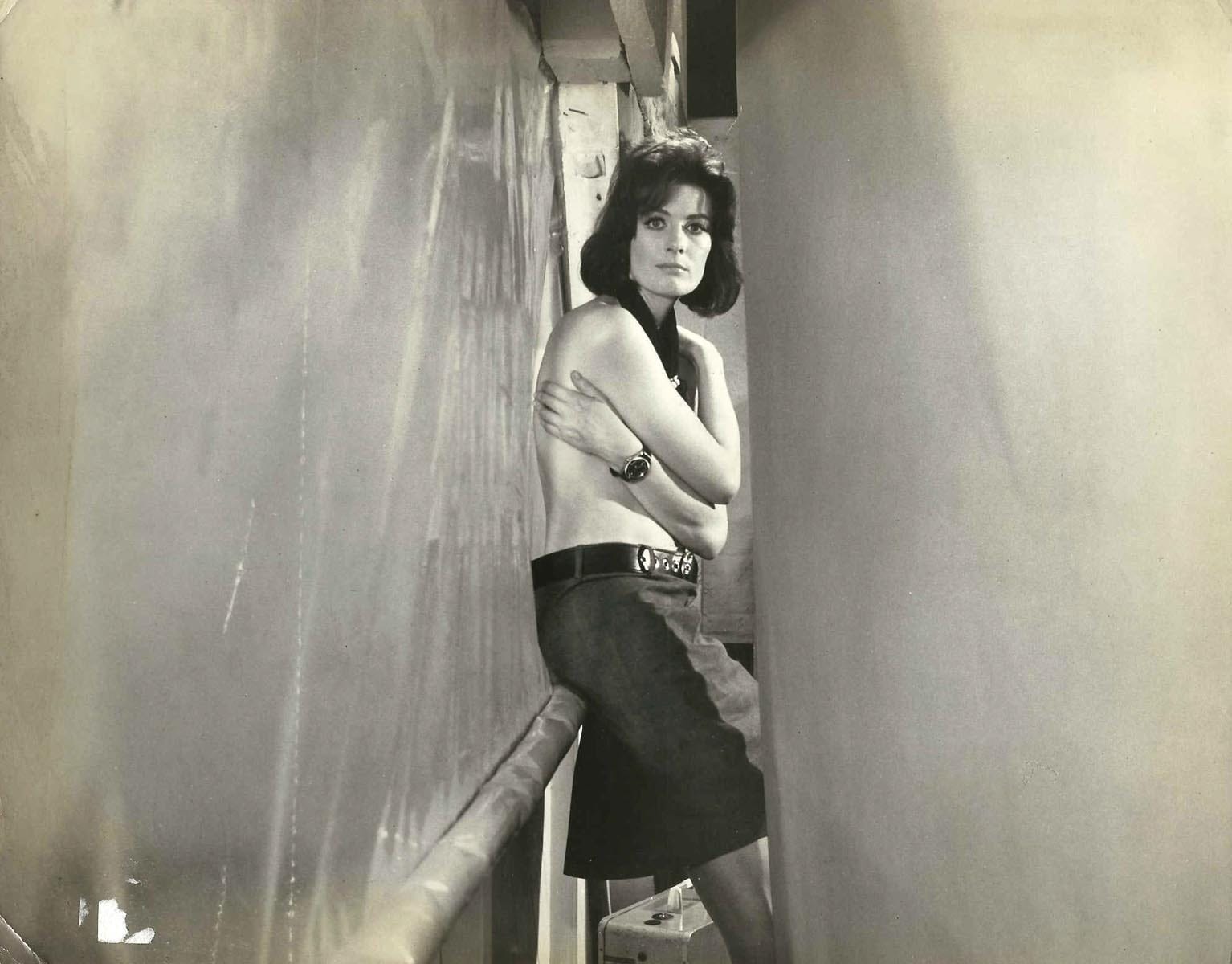
I was fourteen years old when I saw Vanessa Redgrave’s naked breasts for the first time.
It was 1966. Michelangelo Antonioni’s Blow-Up had just hit American theaters, and if you were a teenage boy at a boarding school in NH, you had never seen anything like it. You’d be lucky to catch a woman in a bra ad in those days, let alone topless on a movie screen. Redgrave played a mysterious woman in that film — dark hair, arms folded seductively across her chest, then not — and she was presented to my generation as the absolute height of British mod fashion. Swinging London incarnate. I sat in that dark theater and something shifted in my understanding of the world, as it does for every boy at that age, though few of us get Vanessa Redgrave as the catalyst.
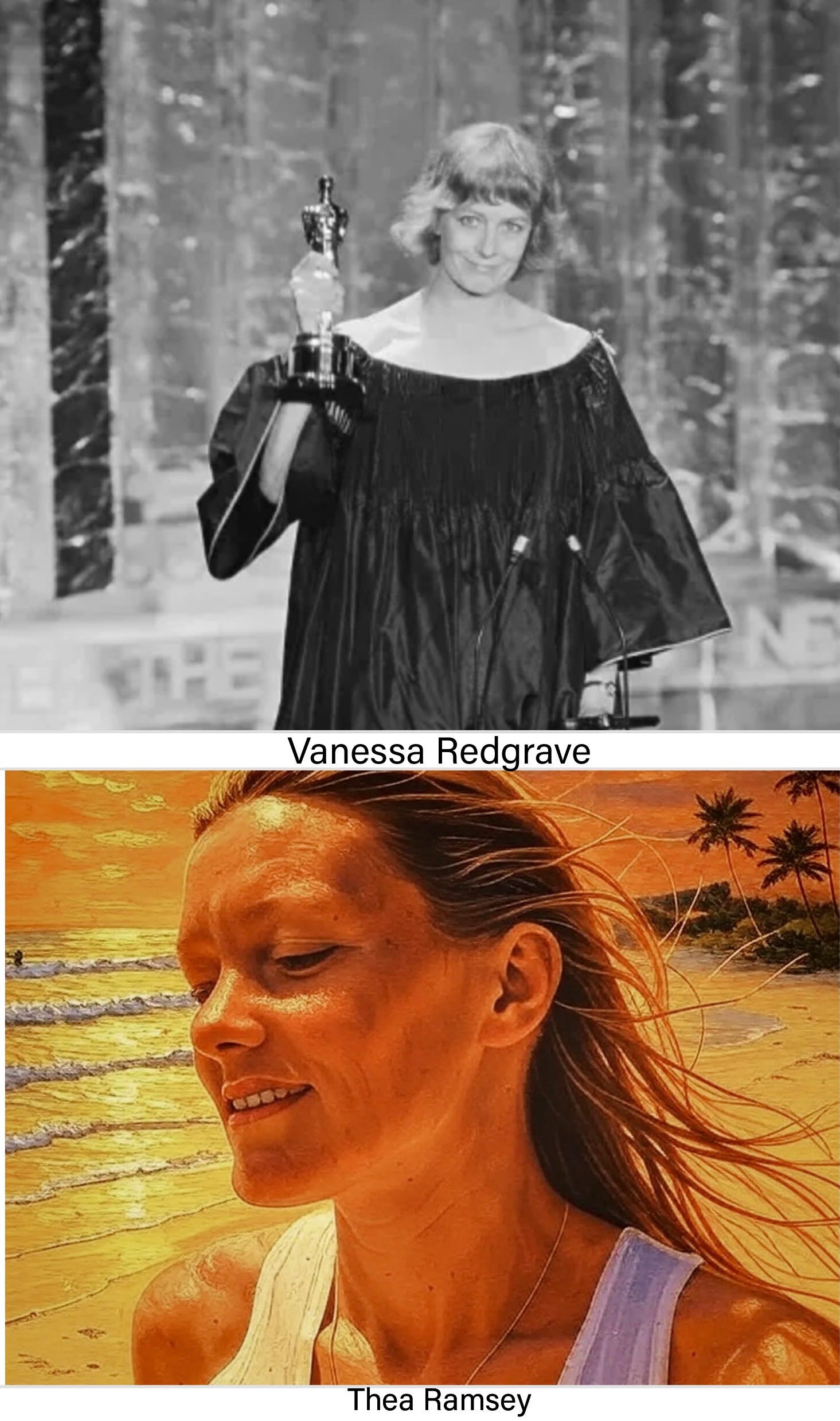
Twenty one years later, she was standing outside my windsurf shed on the north shore of Antigua, telling me she wanted to learn how to windsurf.
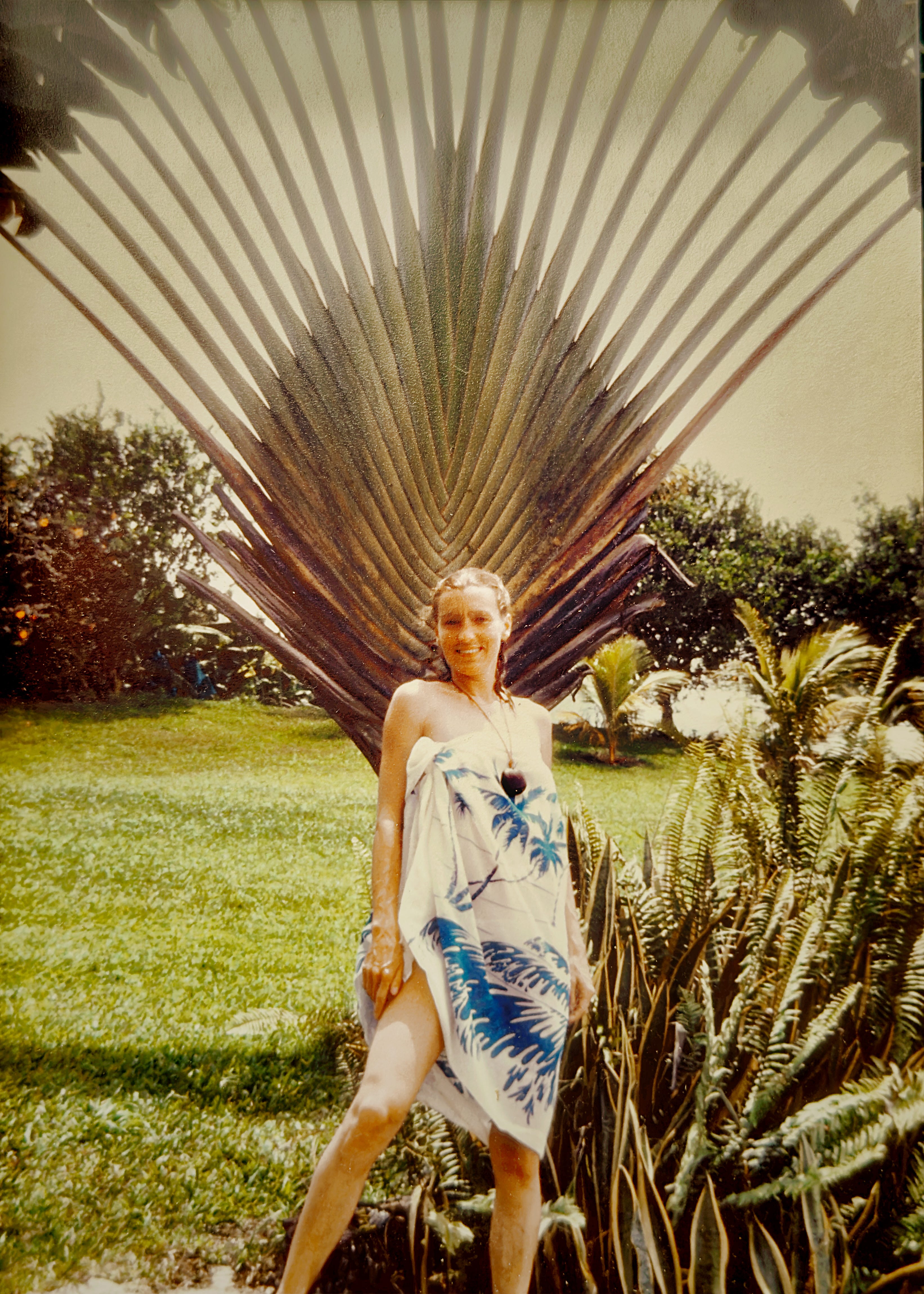
By 1987, my partner Thea Ramsey and I had been running Windsurfing Antigua for several years. We’d started on the calm leeward side of the island, teaching beginners at Jolly Beach — flat water, light winds, big stable training boards with tiny sails. But by then I’d moved operations to the Lord Nelson Beach Hotel on the windward side. This was a high wind center for advanced sailors. Chop. Swell. Real ocean if you went out far enough. The kind of conditions that attracted world champions and magazine photographers, not beginners.
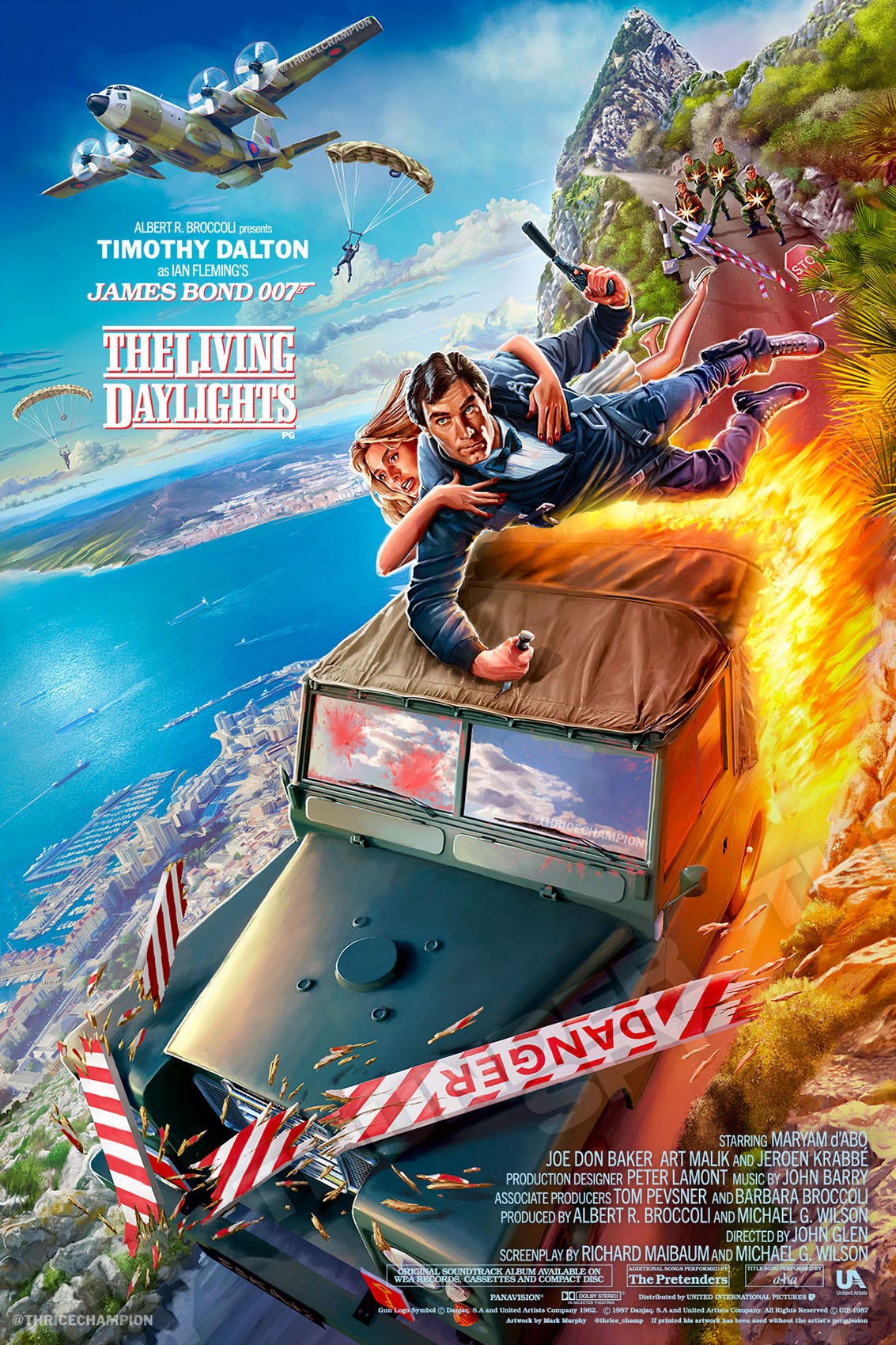
Vanessa had come to the Lord Nelson with her boyfriend, Timothy Dalton — fresh off playing James Bond in The Living Daylights which was about to be released. They were keeping a low profile, staying at a simple, rustic, family-owned inn tucked away on the windward side of the island. They stayed a week and blended in, which takes some doing when you’re six feet tall and one of the greatest actresses alive. I remember drinking with Timothy at the little bar one evening and asking if he’d do a quick promo for us. A friend of mine had a three-quarter-inch videotape camera and I figured we could shoot something simple. “Hello, I’m James Bond, and I don’t always windsurf, but when I do, I do it at Windsurfing Antigua.” He laughed and said he’d be sued and he’d lose, because he’s not James Bond. He’s just paid to act as James Bond, and the people who own James Bond would have his hide. Fair enough.
On the absolute windiest day of the week, Vanessa walked over to the shed.
“I want to learn how to windsurf.”
I tried to explain. This was the worst possible day for a beginner. The worst possible conditions. What you want, I told her, is flat water, barely any wind, a dryland simulator to get the feel of the boom and the uphauling, and a giant stable training board with a tiny sail for when you actually hit the water for the first time. What we had out there was a pounding shore break and trade winds that could catapult an experienced sailor off his board if he wasn’t careful.
She would not hear about it.
So out into the awful shore break we went. Waves pounding, wind whipping, and I tried to show her how to get on the board and lift the sail. She must have fallen twenty-five times. Maybe more. She’d get up, grab the uphaul, pull the sail halfway out of the water, and the wind would rip it from her hands and she’d go over backwards. She’d surface, climb back on, try again. Over and over and over.
Somewhere in the middle of all these falls her top came off.
And there they were again. Two decades later. A movie star topless in the water right next to me. The fourteen-year-old inside me took note. The thirty-four-year-old windsurfing instructor kept his composure and focused on trying to keep a very determined woman from drowning.
I did get her up on the board. She stood, briefly, the sail filling for a few seconds before the wind and the chop took her down again. But she stood. The conditions were simply impossible for sustained sailing. Timothy watched from the beach, and I have to imagine James Bond found the whole spectacle pretty entertaining. But here’s the thing — she was not embarrassed. She was not defeated. She just couldn’t do it all the way that day, in that wind, and she accepted her minimal success the way you accept a force of nature. I had seen that kind of stubbornness before — in Thea, battling her cystic fibrosis single-handedly, carrying on through her 2x daily physical therapy without a complaint. That absolute refusal to let physics win.
A few days later, John Fuller told me that Vanessa wanted to meet Thea, perhaps come over to our home for dinner. I suspect she’d heard about Thea’s courageous struggle with cystic fibrosis, though we never discussed it that evening. John was the son of the woman who owned the Lord Nelson Beach Hotel. He was also our lawyer — the one who never charged us a dime through all our years in Antigua. Always happy to share some of his fresh catch from his boat. A giant hearted man.
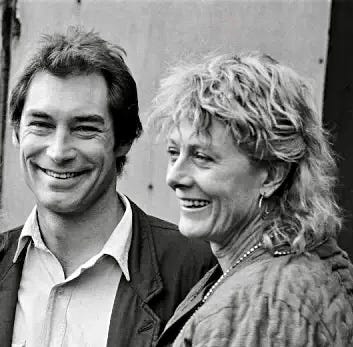
This was a huge honor. Thea — who was an actress and singer in her own right, her career cut short by her illness — was thrilled beyond measure. She spent the day getting everything perfect. She stocked the refrigerator with every drink she could think of. Ginger ale, orange juice, sparkling water, still water, beer, wine, rum. She was determined.
When they arrived, Thea asked Vanessa what she’d like to drink.
Apple juice, Vanessa said.
It was the one thing she didn’t have.
Thea talked about that forever afterwards. Of all the things she could have asked for. Apple juice. On a Caribbean island where you can get rum at a gas station but apple juice requires a special trip to town.
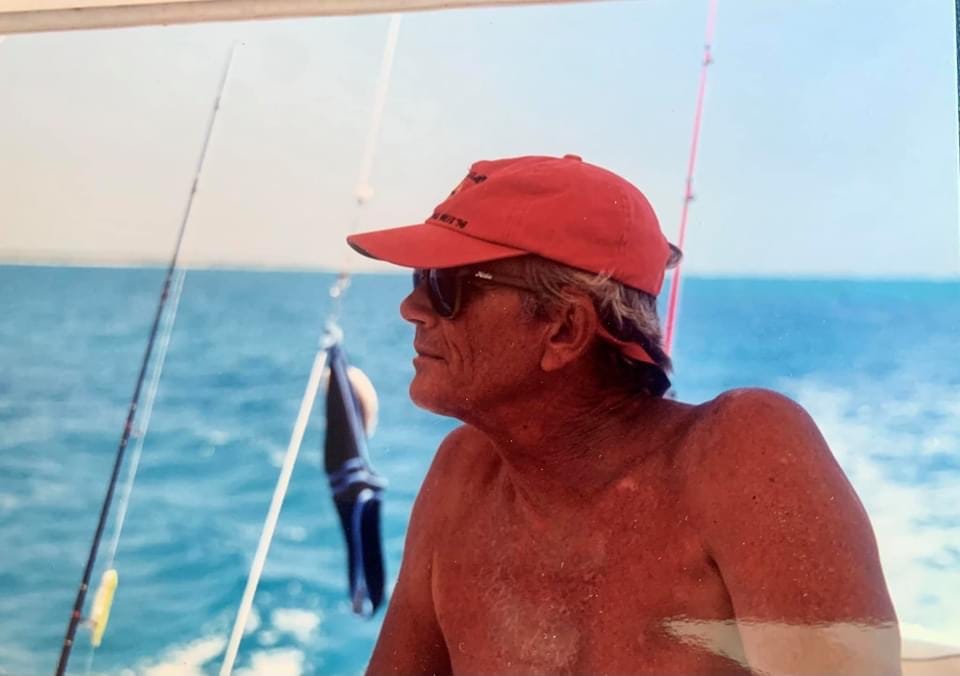
I remember John handing me a small derringer with a pearl handle as the guests moved into the dining room. Put this somewhere safe while they’re here, he said. I looked at him. Guns were strictly illegal in Antigua. Why do you have this? I asked. He said, It’s a precaution. I always bring this when I’m traveling with celebrities, just in case there’s an issue.
I tucked it away in a cabinet and we had a wonderful meal and lots of laughs. I don’t remember much beyond the feeling of it — that we felt honored, and that Timothy and Vanessa were so wonderfully down to earth and genuinely nice. Two famous people sitting at our table in a small house on a Caribbean island, eating Thea's version of curried chicken and rice, drinking whatever wasn’t apple juice, and being completely, disarmingly human.
Both of these women had chosen to live their uniquely challenging lives zestfully. Neither of them ever talked about courage. They just lived it. Every day, in completely different ways, they got up on the board.
That was almost forty years ago. I didn’t think about Vanessa Redgrave much after that, except as a great story — the time I taught a movie star to windsurf and she fell twenty-five times and lost her top. A good dinner party anecdote. But recently, I saw a photo of her in a wheelchair and started reading more about her. I had no idea who I’d been standing next to in that water.
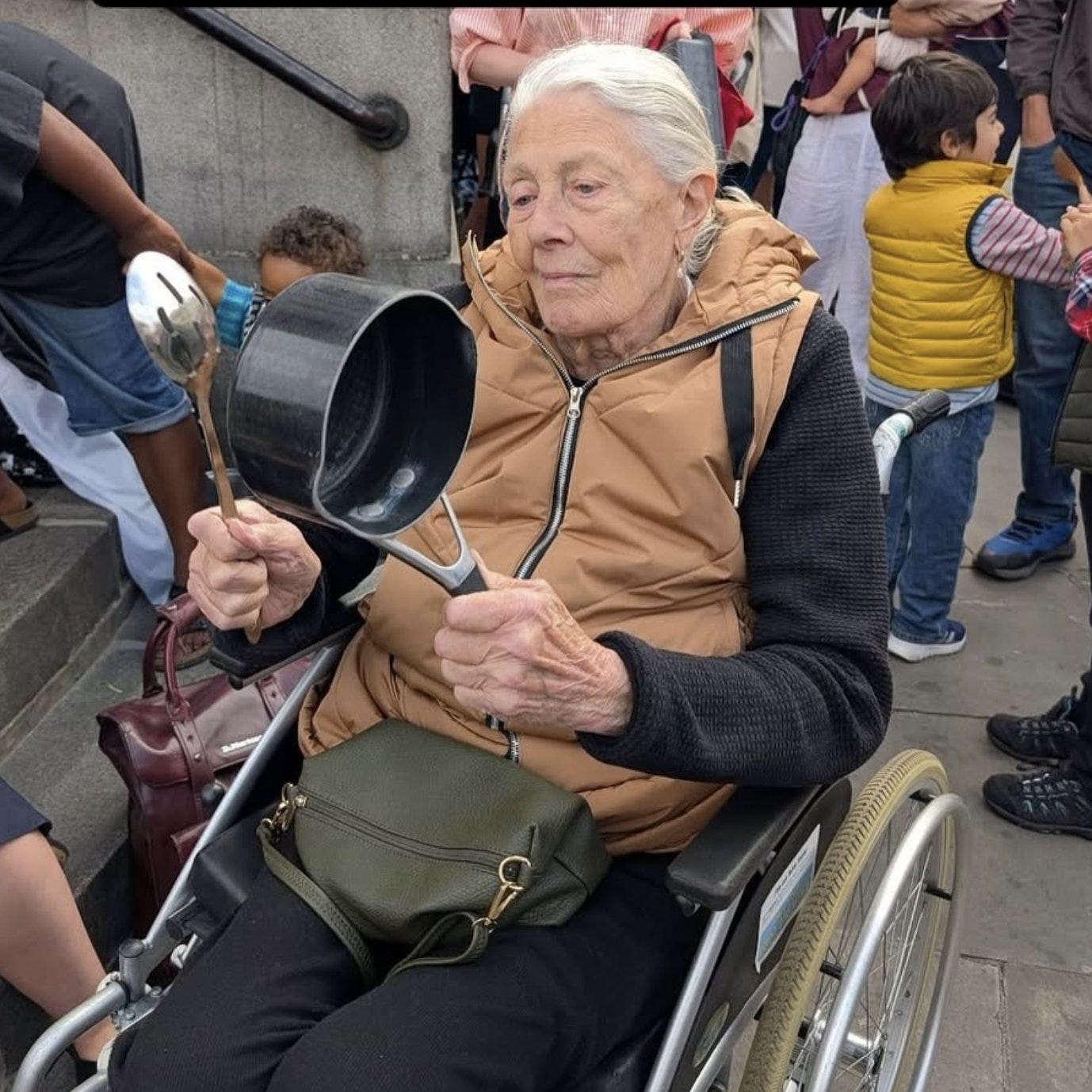
The Redgraves are British theatrical royalty. Five generations of actors going back to the 1800s. Vanessa’s father was Sir Michael Redgrave, knighted, one of the great Shakespearean actors of the twentieth century. Laurence Olivier announced her birth from the stage during a performance of Hamlet — told the audience that Laertes had a daughter. She was educated at elite schools, came out as a debutante. Her children — Natasha Richardson, Joely Richardson — became major actors. Her grandson is in the business now. This is a dynasty.
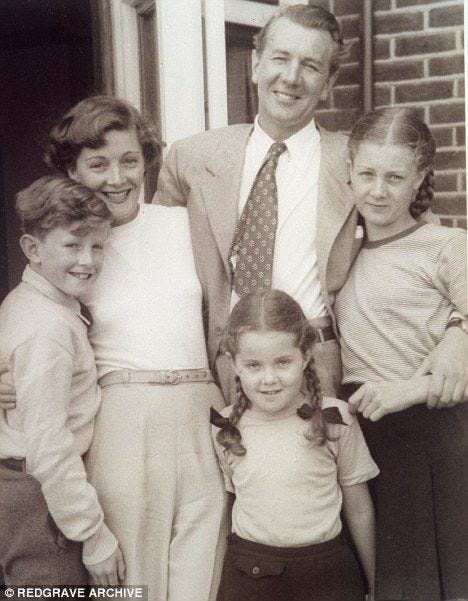
And yet.
In 1977, Vanessa Redgrave sold two houses — her own houses, where she lived with her three children — to fund a documentary called The Palestinian. She produced it, narrated it, and put everything she had into telling the story of a people whose cause was, in Hollywood terms, career suicide to support.
The Jewish Defense League put a bounty on her head. They burned her in effigy. They picketed every screening. A member of the JDL was later convicted of bombing a Los Angeles theater that was set to show the film.
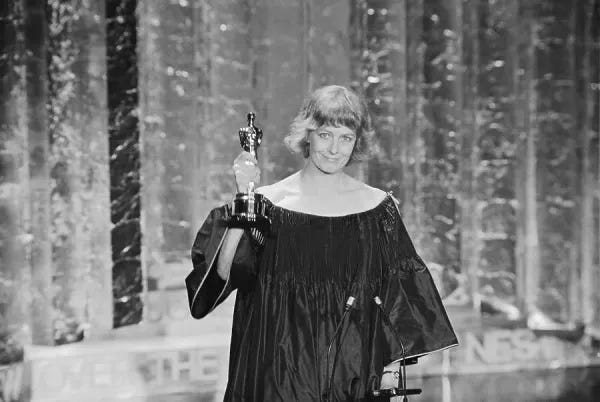
Then she won the Oscar for Best Supporting Actress for Julia — in which she played a woman murdered by Nazis for her anti-fascist activism — and she walked up to that podium on April 3, 1978, with snipers on the roof of the Dorothy Chandler Pavilion, and she thanked the Academy for refusing to be intimidated by what she called “a small bunch of Zionist hoodlums.” The audience gasped. People booed. The playwright Paddy Chayefsky came out later to publicly rebuke her, saying a simple “thank you” would have sufficed.
The remark cost her roles for years. It effectively got her blacklisted in Hollywood. She has never apologized. Not in 1978. Not in 1988. Not in 2018, when, at 81, she told The Hollywood Reporter she felt a responsibility to speak out no matter the consequences. “I had to do my bit,” she said. “Everybody had to do their bit, to try and change things for the better.”
She sold her houses to make that documentary. Let that sink in. Her houses. Where her kids lived. Because she believed the story needed to be told.
And here we are in 2026, and history has proven her right in ways that should horrify every one of us. What Vanessa Redgrave was trying to tell the world in 1977 — what she was blacklisted and burned in effigy for saying — has become the central moral issue of our time. A six-thousand-year-old civilization is being displaced and destroyed by transplanted Europeans carrying out a genocide, supported by our government and funded by our tax dollars. A country smaller than Vermont is effectively running the foreign policy of the United States. I don’t know how you look at what’s happening in Gaza and the West Bank and not feel the outrage that Vanessa Redgrave felt nearly fifty years ago. She saw it coming. She sacrificed her career to say so. And she was right.
That’s not a political statement. It’s a moral one. And it takes a particular kind of courage to make it — in 1977, when nobody in Hollywood wanted to hear it, and in 2025, when the machinery of suppression has only gotten more sophisticated.
In August of 2025, at the age of 88, Vanessa Redgrave was photographed in a wheelchair outside Lambeth Town Hall in Brixton, banging a saucepan with a metal spoon at a “pots and pans for Palestine” protest. Eighty-eight years old. In a wheelchair. Still banging.
I think about that image, and I think about the woman in the shore break in Antigua in 1986, falling off the board for the twenty-fifth time, pulling herself back up, grabbing the uphaul again. The wind ripping the sail away. Her top gone. Salt water in her eyes. Not quitting.
And I think about Thea. Doing her percussion therapy twice a day without complaint. Taking her enzyme pills before every meal. Showing up at that windsurf shed, at that dinner table, on that island — living a full life in a body that was working against her every breath. In the 1980s, most people with cystic fibrosis didn’t make it to thirty. Thea made it to thirty-seven, not by giving in but by refusing to stop living.
It’s the same courage. It was always the same courage.
There is a kind of courage that has nothing to do with physical strength or even with being right. It's the courage to remain true to who you are when every force around you — the wind, the waves, the industry, the establishment, your own body — is trying to knock you down. Vanessa Redgrave has that courage. Thea Ramsey had it. Vanessa had it in Antonioni’s London in 1966. She had it at the Academy Awards in 1978. Both women had it in the Caribbean in 1986. Vanessa has it now, in a wheelchair, with a saucepan. Thea carried it with her until the day she died.
I never got Vanessa sailing across that bay. But she got up on that board. And neither of them ever stopped standing up.
André de Saint Phalle is the author of Surfing the Interstates: A 1973 Hitchhiking Memoir, available on Amazon and on Substack.