

THUMB OUT: A Reader’s Sampler
Three excerpts from Volume One of The Spaces Between — the boy before the road, the man on it, and the man who came back
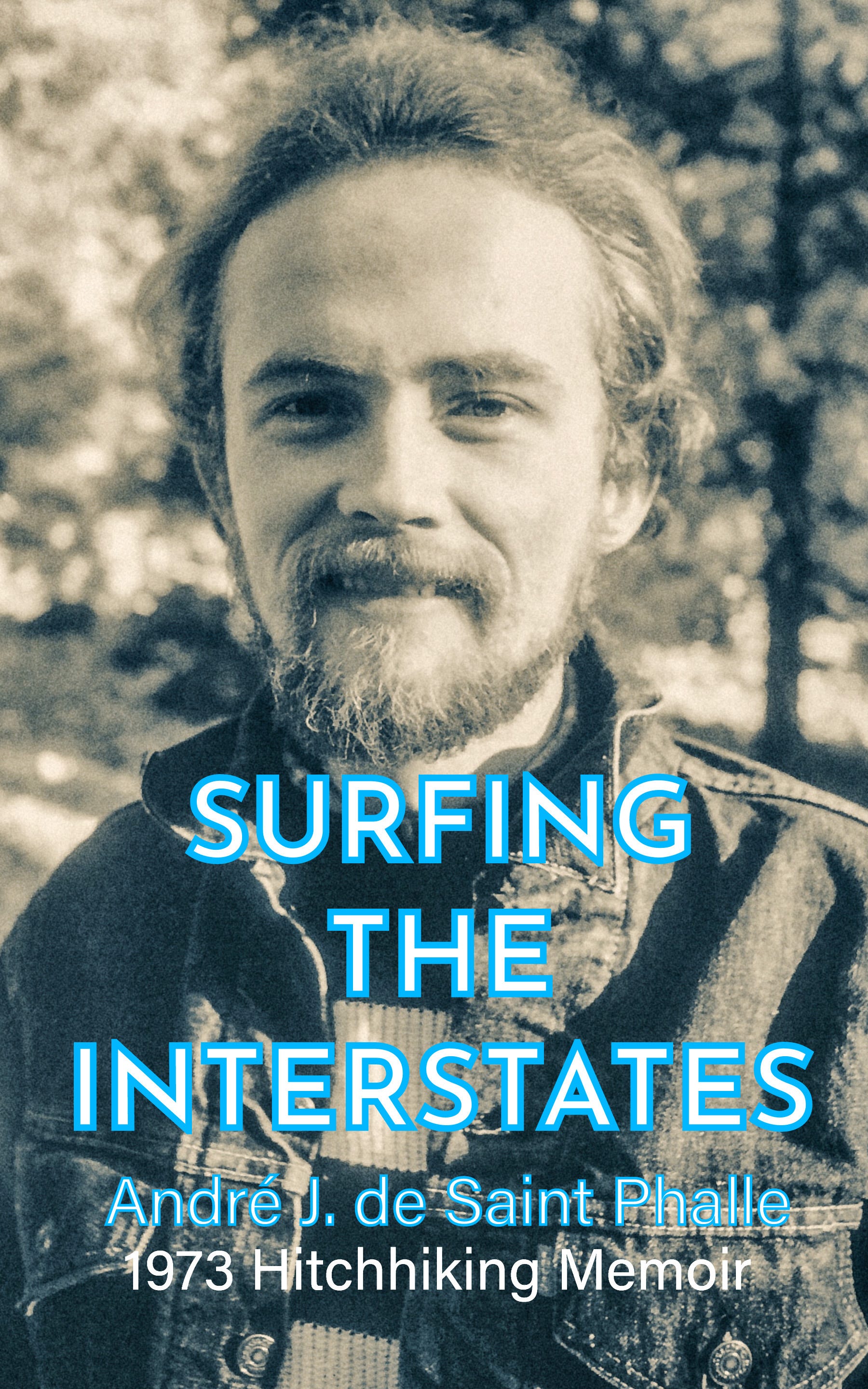
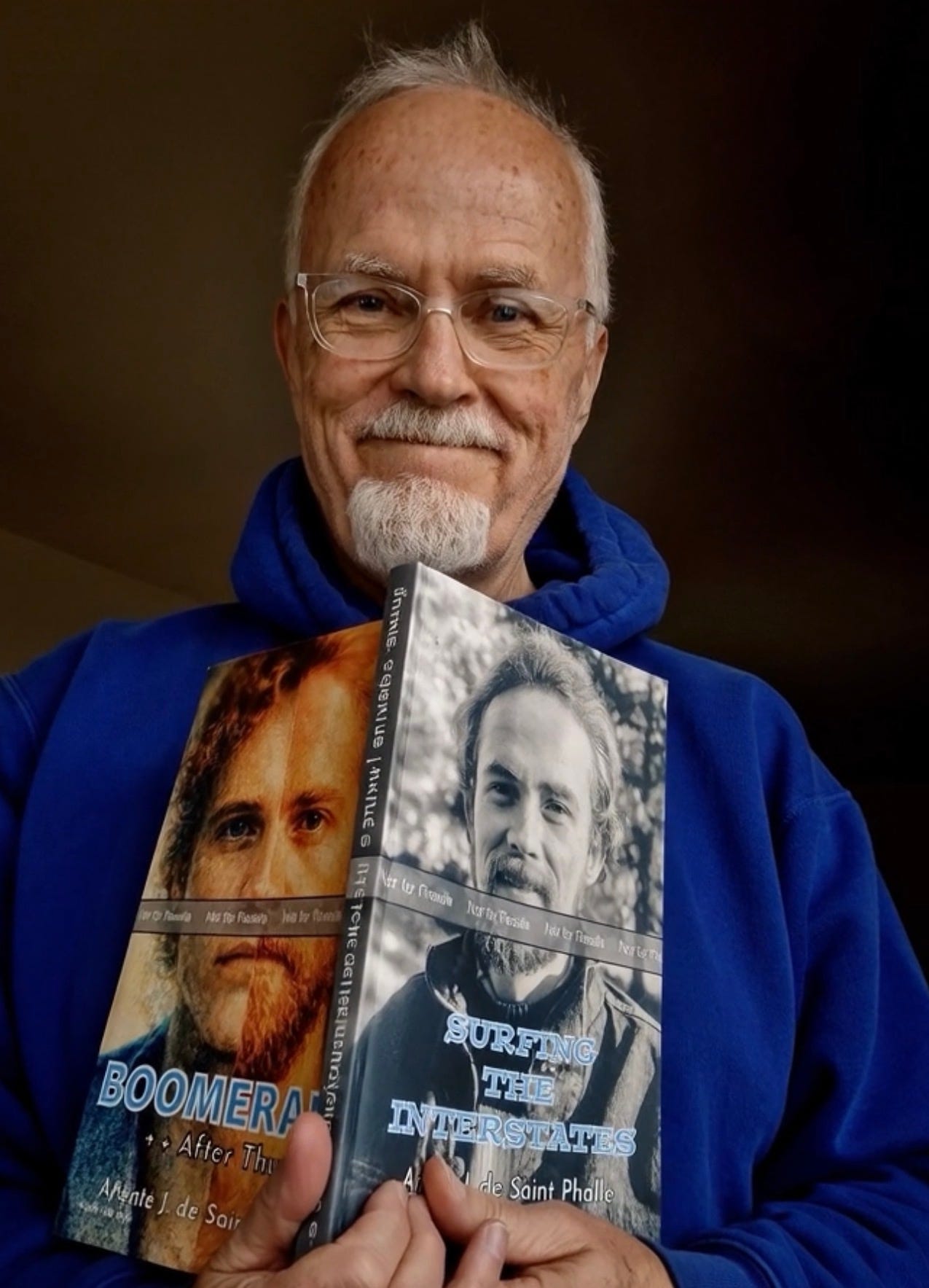
A few months ago I made a decision that surprised me. Surfing the Interstates — the 1973 hitchhiking memoir I’d been carrying for fifty years and finally published in 2025 — wasn’t a standalone book after all. It was the middle of one.
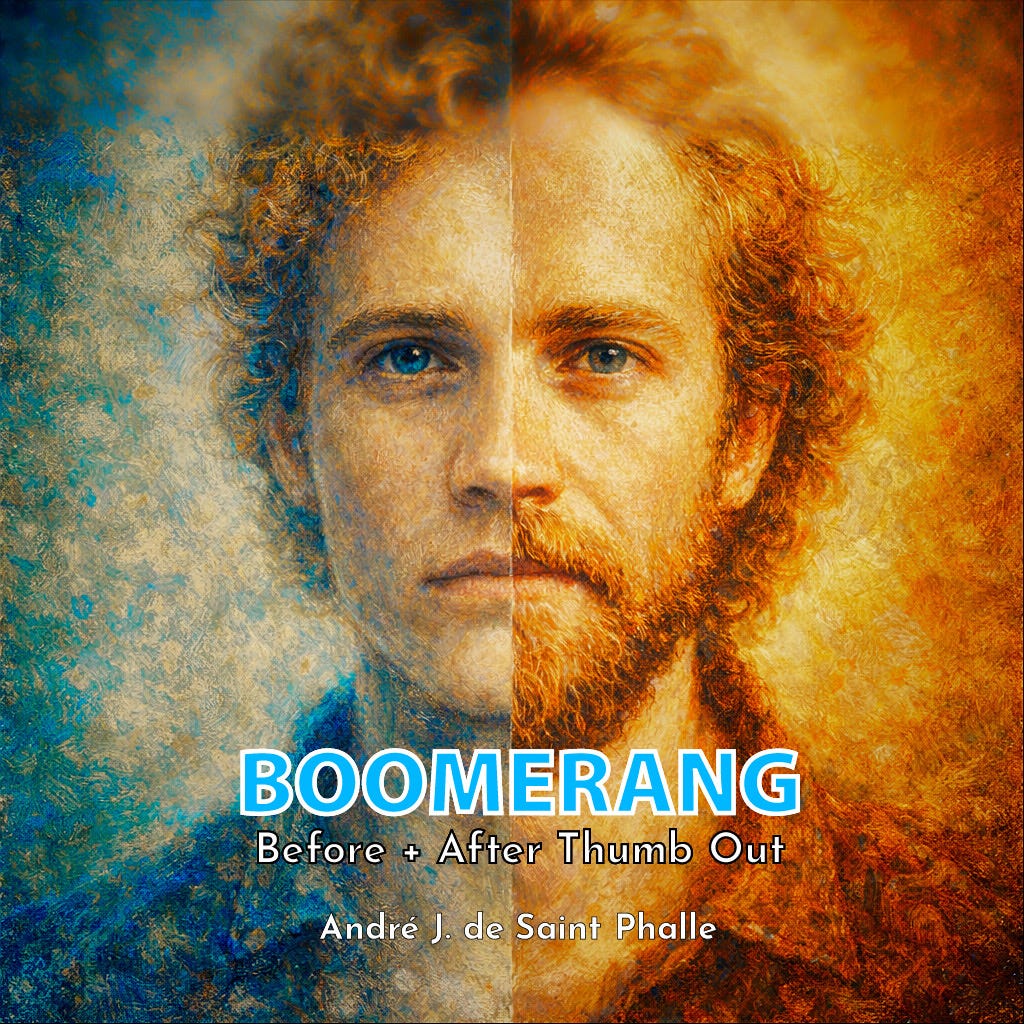
What was missing was the boy before the road, and the man who came back. Both of them needed their own pages. So I wrote Boomerang — the four years before Surfing the Interstates and the seven years after.
But it didn’t feel right to have them as two separate books. I decided Boomerang was the bread and Surfing the Interstates was the meat. So I made a sandwich.
The result is Thumb Out, Volume One of The Spaces Between Memoir Series.
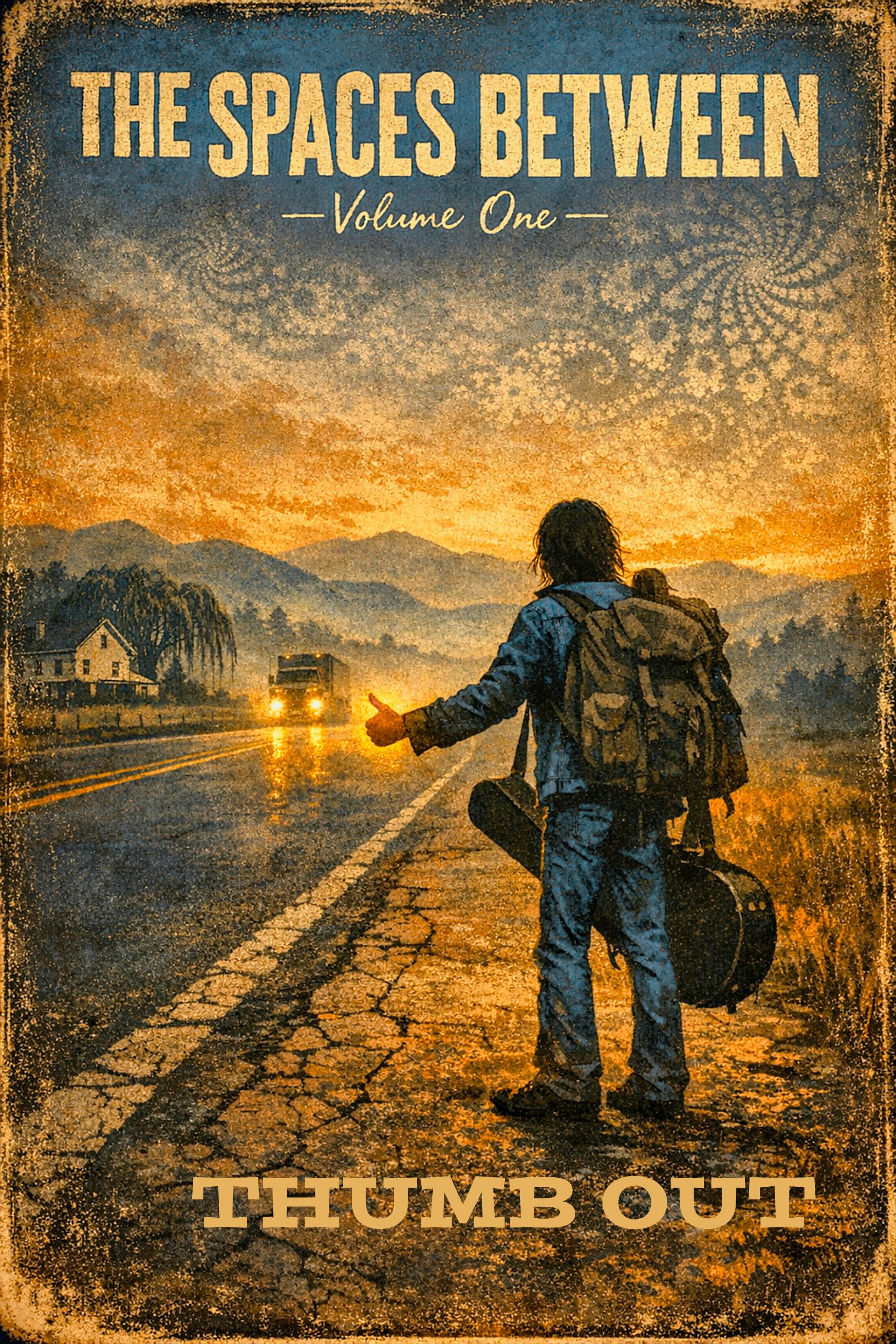
Two voices share the book. The opening and closing acts are told in the reflective voice of a seventy-four-year-old man looking back — sentences that breathe and circle and take their time. The middle act — the road itself — is written in a cinematic present tense: short, fragmented, verb-forward, the way the road actually felt when I was twenty-one and broke and scared.
Below are three short excerpts, one from each act. Together they show what Thumb Out is and how it moves.
FROM ACT ONE — BEFORE THUMB OUT
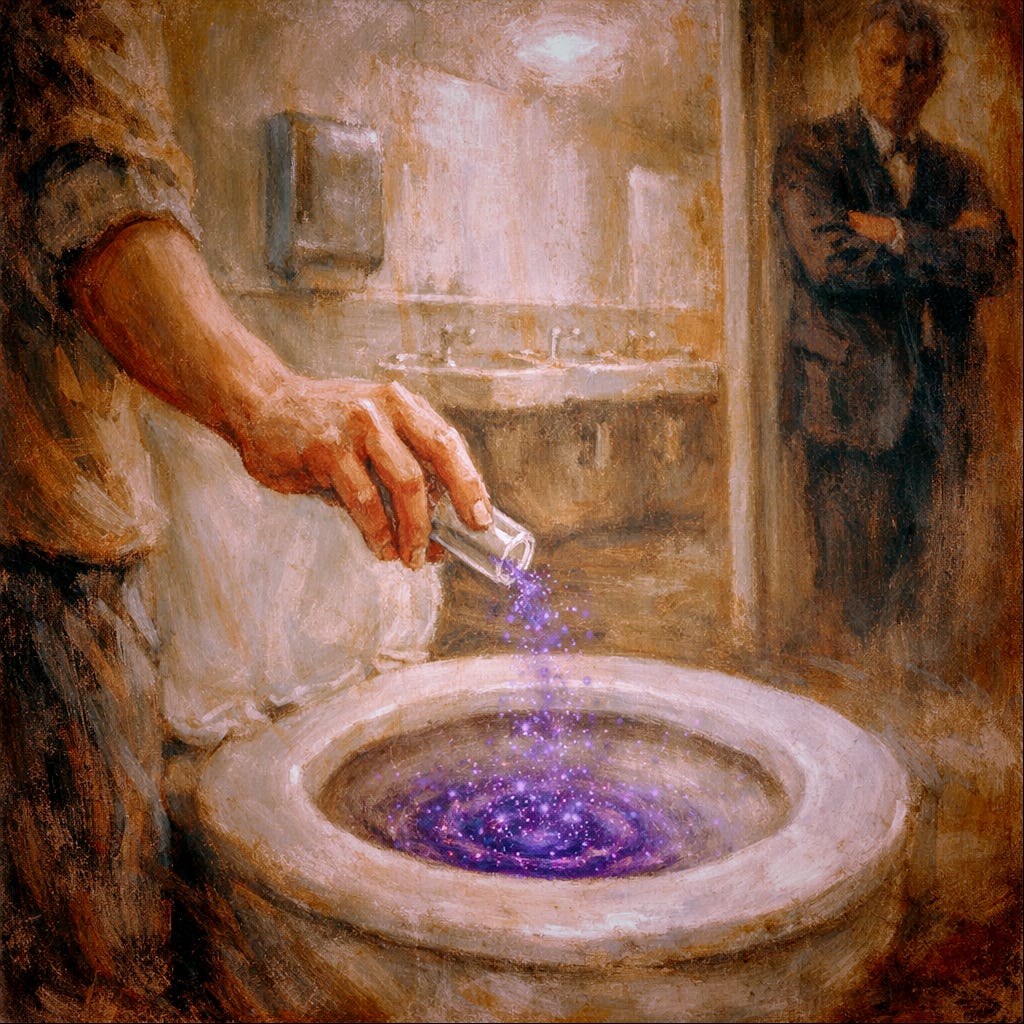
Chapter 1: Purple Barrels
I wasn’t ready. Everyone knew it except the one person whose opinion mattered.
I was thirteen when my father pulled me out of Whitby Montessori School and sent me to the Phillips Exeter Academy. A year early, to save a year of tuition — the kind of calculation that made perfect sense on paper and no sense at all inside the life of a boy who’d just begun to find his footing. Paul Czaja, who’d taught me to sit with a photograph and let words come from the silence, thought it was a mistake. My other teachers agreed. The boy needed another year. I had friends now, or the beginnings of them — girls in Greenwich I couldn’t see outside of school because they lived thirty minutes away and I didn’t have a car, but still. The architecture of a social life, just starting to take shape.
My father didn’t care. Exeter was Exeter. The name carried weight. The boy would adjust. He had gone from Choate to Harvard.
I didn’t, not really. I survived.
This is the voice of the older narrator — full sentences, internal weather, the long view. This is how Act One opens, and how Act Three returns at the end.
FROM ACT TWO — SURFING THE INTERSTATES
Chapter 5: Thumb Out

Tossing and turning, I finally awake. Twenty-one and broke. Already past noon, the mid-July sun in its full glory. I’ve been crashing in Ledge Acres’ servant’s quarters in the back of our sprawling 1865 farmhouse. Jimmy Matsudo’s old room. One foot already out the door.
Getting up. Survey the clutter. 1943 Harmony Cremona, I’ve nicknamed “Mona,” safe in her battered hard case. Brand new Kelty backpack loaded — tent, sleeping bag, mess kit, few days’ food. Sony cassette deck with carefully recorded mix tapes: Dead, Allmans, Airplane, CSN. Colombian weed and Bambus tucked away. Water bottle full. Everything I own.
Wander the empty house. My father — moved to the city. The younger kids — scattered to camps and day school. The two older sisters — somewhere. My mother — has taken Nana to the Senior Center.
Passing the living room doorway. Stop.
The July heat can’t erase the ghost of that first Christmas at Ledge Acres.
The voice shifts. Verb-forward, fragmentary, present tense. This is the engine of the road sections — sixteen chapters of it, from leaving Ledge Acres to a five-day fast in a Texas canyon. The whole middle of the book runs at this rhythm.
FROM ACT THREE — AFTER THUMB OUT
Chapter 21: Caught In The Light
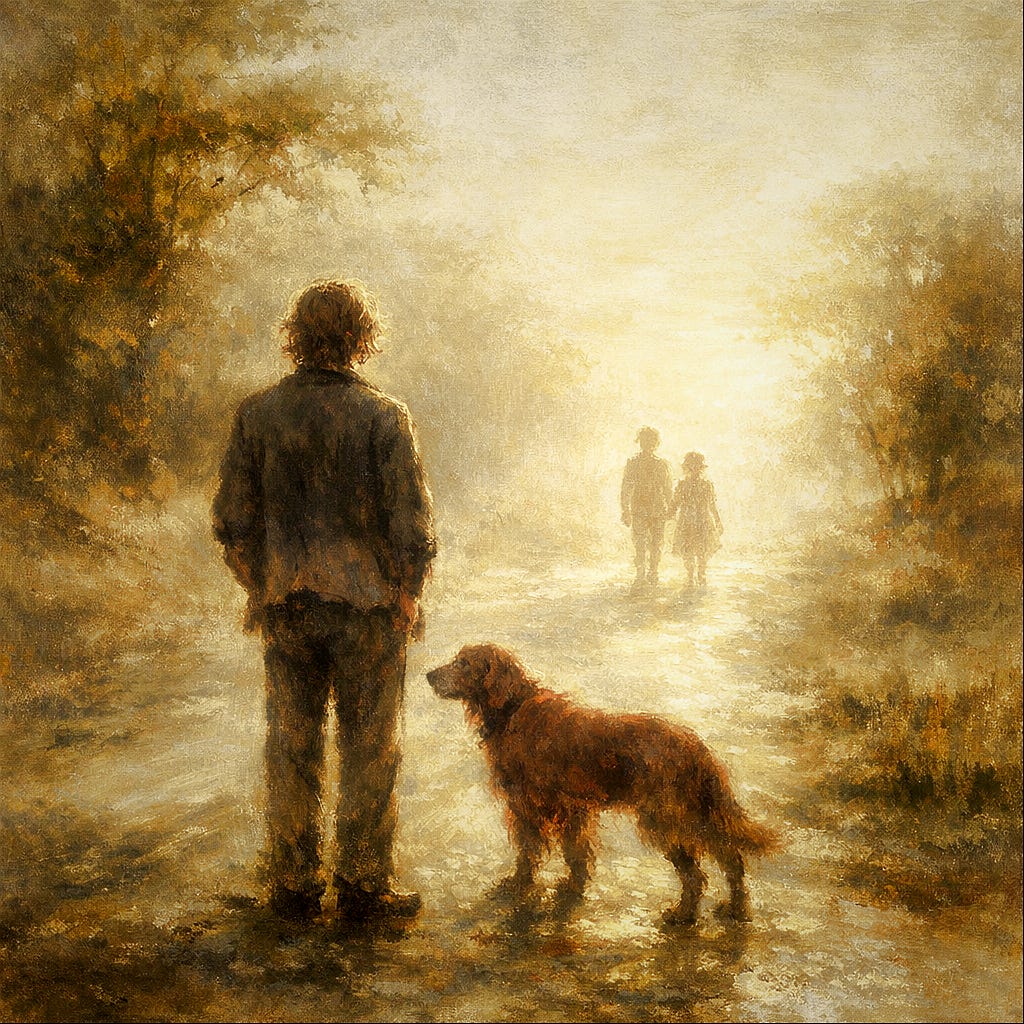
The two of us stood in the middle of the road, looking south.
And coming toward us from the direction of 684, over the crest of the next hill — golden hair first. Blonde and straight and fine, backlit by late afternoon sun. Turner light — low, slanting, the kind that dissolves edges and makes the world look like a memory even while you’re standing in it. Then their heads. Their shoulders. Small bodies in navy and white, Rippowam uniforms, collared shirts. Books in one hand each.
And their free hands holding each other.
Charlie. Twelve. Anni. Ten. Walking home from school.
They were the babies. Youngest two of six, and the only ones truly native to Ledge Acres — born at Northern Westchester Hospital, rooted in this place from their first breath. A solid decade of one address, one school to walk home from. They had lifelong friends. I’d moved eight times by their age and lost touch with all of mine.
The reflective voice returns. The boy who left has come home to a sold house and an arthritic dog, and his two youngest siblings are walking up the road. This is where Act Three begins, and where the book turns its attention to what was left behind.
That’s the architecture. Two voices, three acts, one volume. The boy on the porch at thirteen, the man with his thumb out at twenty-one, the man who came back at twenty-two and had to figure out what to do with what he’d seen.
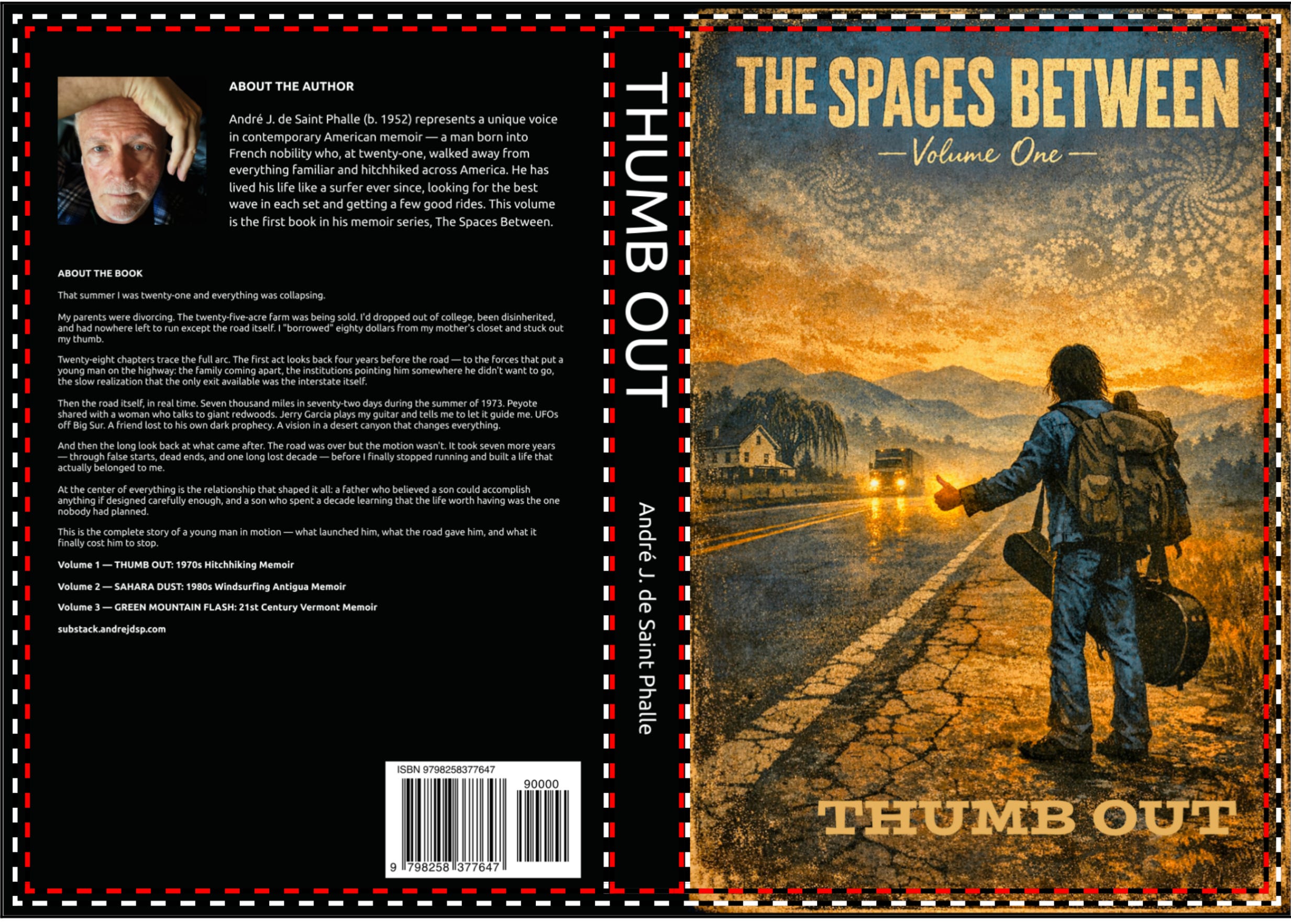
If any of that pulled you in, Thumb Out is available in paperback, hardcover, Kindle as well as an e-book for non kindle readers. The whole story runs about 110,000 words, twenty-eight chapters, the long arc from Exeter to the canyon and back to Pound Ridge.
“Thumb Out” Book One of my memoir trilogy “The Spaces Between” is available now
e-book ~ kindle ~ paperback ~ hardcover ~ signed paperback
Volume Two — Sahara Dust: 1980’s Windsurfing Antigua Memoir — is in progress with chapters dropping here as they are written. Be sure to subscribe and receive them in your email.

“Thumb Out” Book One of my memoir trilogy “The Spaces Between” is available now
e-book ~ kindle ~ paperback ~ hardcover ~ signed paperback