

There’s a particular kind of wisdom that only arrives through accumulation. Not the lightning-bolt revelation that changes everything in an instant, but the slow accretion of understanding that comes from living long enough to see patterns repeat, consequences unfold, choices bloom into lives.
The present moment is always incomplete. We experience it in fragments, reacting, surviving, moving forward without the luxury of perspective. Only later—sometimes years later—does the full weight of what we lived through become visible. Memory isn’t nostalgia. It’s the developed photograph of experience, showing details that were invisible in real time.
This explains why so much of what passes for happiness is actually just successful performance. We chase the visible markers—status, accumulation, approval—because they’re easier to measure than the formless but essential question of whether we’re living in alignment with what actually matters to us. The real work is distinguishing between what we want and what we’ve been taught to want. Between who we are and who we’re supposed to be.
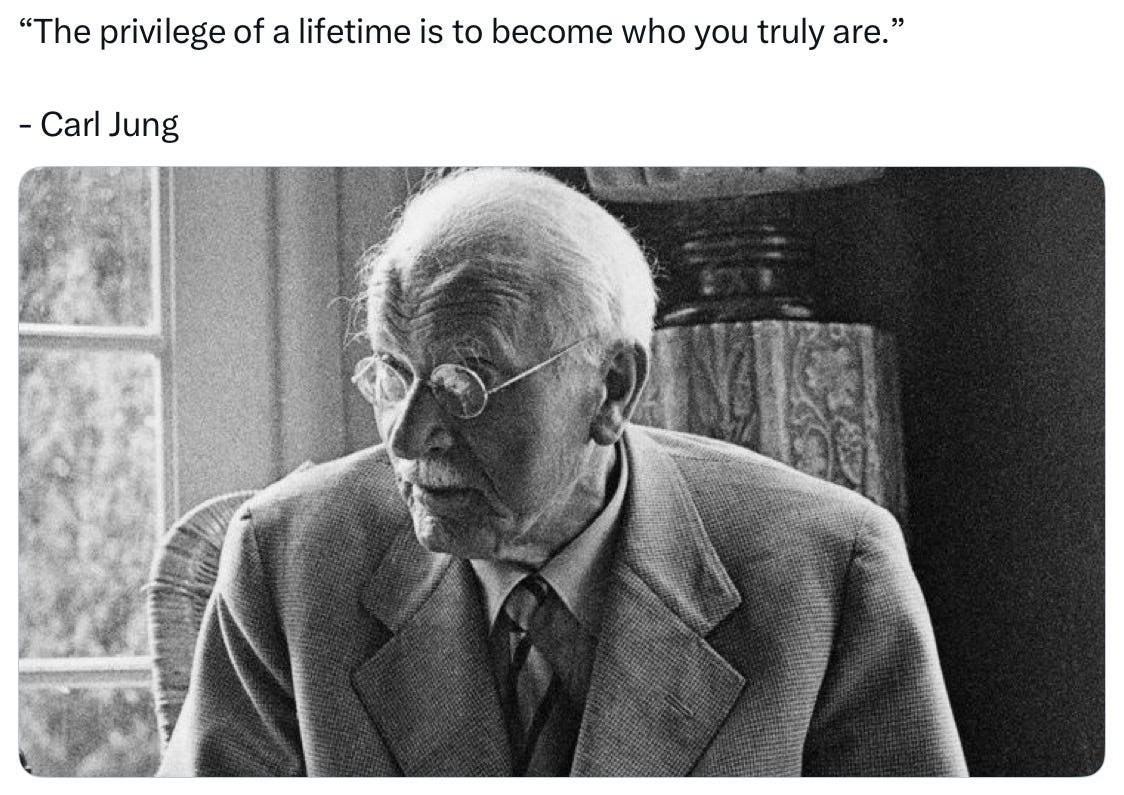
Becoming yourself turns out to be the project of a lifetime, not because it’s complicated but because it requires dismantling so many inherited assumptions. We arrive in the world already burdened with other people’s expectations, cultural scripts, family mythologies. The work involves as much subtraction as addition—shedding layers of should until what remains is simply am.
This work requires patience that borders on stubbornness. Anything worth making gets made through the accumulation of small efforts over long stretches of time. We live in a culture that valorizes the breakthrough, the overnight success, the viral moment. But most meaningful work happens in obscurity, through repetition, with no guarantee of recognition. The trick is learning to find satisfaction in the work itself rather than in external validation.
Which means accepting that much of what we were taught about success, connection, and worth needs to be questioned. The comfortable lies we inherit—that hard work always pays off, that family bonds are unbreakable, that truth-telling is always rewarded—these collapse under the weight of lived experience. Growing up means becoming willing to live without those comforting certainties.
It also means recognizing that not everyone wants the same things. Some people genuinely want the big house, the impressive career, the visible markers of achievement. Others want to disappear into quiet work, to live simply, to opt out of the whole competitive performance. Neither choice is superior. The trap is living the wrong life because you haven’t figured out which kind of person you are.
The hardest lesson is that authenticity has costs. Speaking plainly creates friction. Choosing your own path means disappointing people who had different plans for you. Refusing to perform the expected role gets interpreted as betrayal by those invested in the script. There’s no way around this. You either pay the price of authenticity or the price of pretending, and only you can decide which price is bearable.
Love, connection, belonging—these things can’t be negotiated or earned through performance. They’re either freely given or they’re not real. This applies to everything from intimate relationships to creative recognition to family acceptance. You can’t force someone to value what you offer. The dignity is in offering it anyway and accepting whatever response arrives.
At some point, if you’re lucky, you stop needing external validation to know your work has worth. You stop requiring approval to know you made the right choice. You develop an internal measure that’s more reliable than any external metric. This isn’t arrogance—it’s the hard-won result of learning to trust your own experience over other people’s interpretations of it.
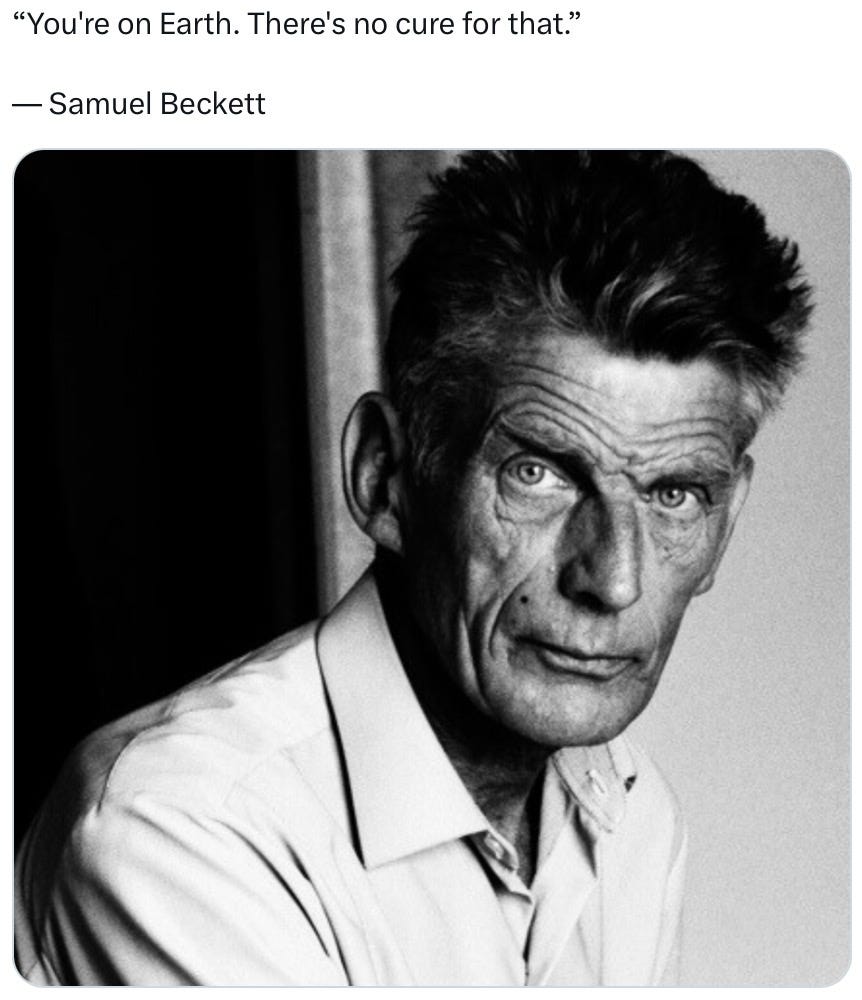
The final understanding is the simplest and hardest: this is it. There’s no other life waiting after this one gets sorted out. No perfect version coming once you’ve earned it. Just this ordinary, difficult, temporary existence with all its constraints and possibilities. The cure for the human condition is accepting there is no cure—only the daily work of showing up, paying attention, making what meaning you can from the raw material you’re given.
At a certain point, you realize the goal was never to transcend the mess of being human. It was to inhabit it fully, without the protective buffer of illusion. To see clearly, live honestly, and make something—anything—that bears witness to what it was like to be here, to be conscious, to try.
That turns out to be enough.
Very well spoken, written… we only live once… 🥰