

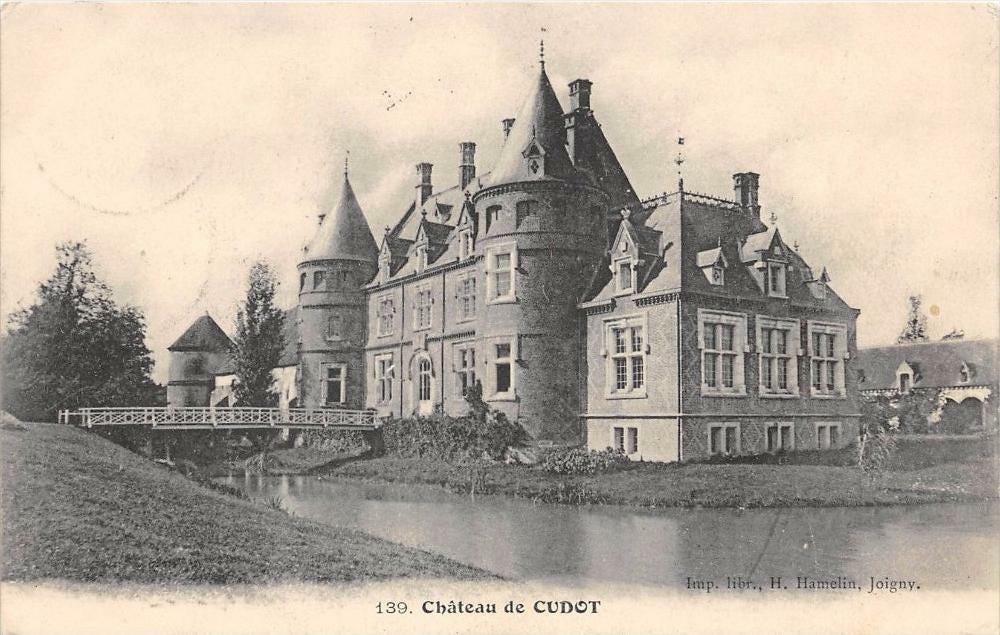
In 1240, a knight named André I de Saint-Phalle rode with the Barons’ Crusade under the Count of Champagne. He married a woman named Alpais de Cudot, and the family took her land in the Yonne as their own — a château, stone by stone, that would carry the name Cudot for the better part of a thousand years. The family coat of arms went on a shield: a gold field, a green anchored cross. The motto went under it in Latin: Cruce deo gladio jungor. My cross binds me to God, my sword to the King. Supposedly, an ancestor once saved a king’s life in battle, and the king cried out across the field: À moi, Saint-Phalle, c’est pour le roi. Help me, Saint-Phalle, it’s for the king.
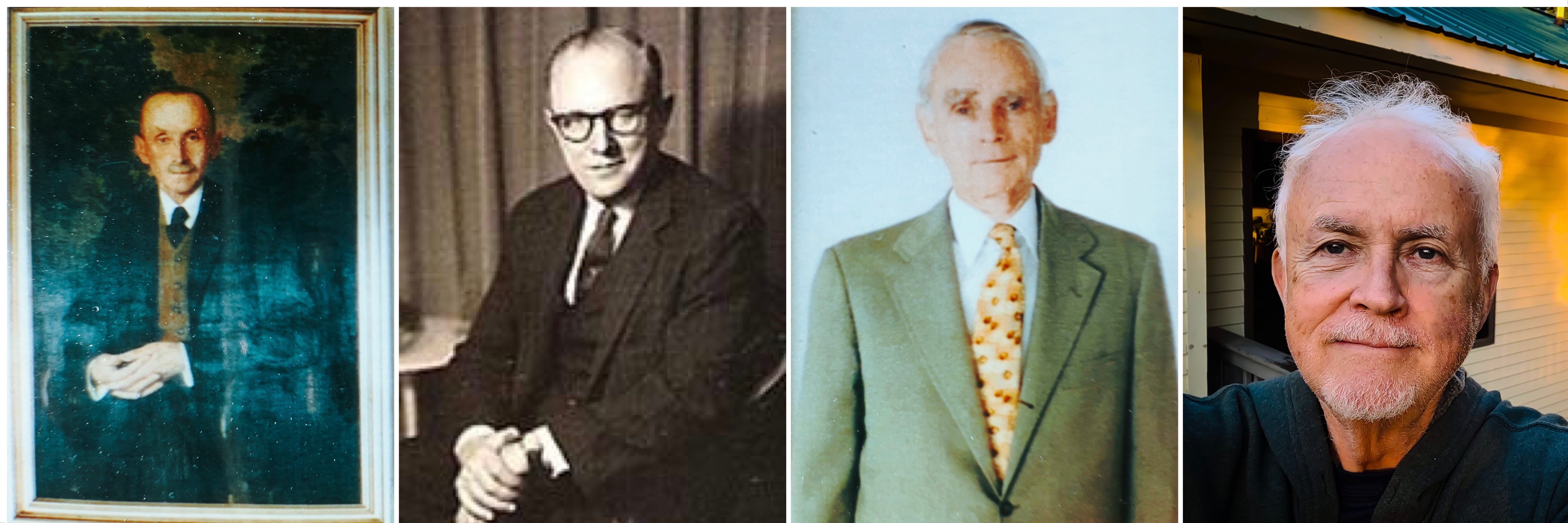
That was the family my grandfather carried onto a ship to New York in 1925, one of seven aristocratic brothers looking for a future the crash of 1929 hadn’t happened yet to warn them about. André Marie Fal de Saint-Phalle rebuilt what he could out of Wall Street stone — a brokerage house, a seat on the exchange, a firm with his own son’s name on the door by 1957. His motto — I heard him say it more than once — was leave no stone unturned. He turned over every one he could find. I think about what that cost the people closest to him. I think he left the place a mess.
My father was born in New York in 1929, the same year the market that would define his life fell apart. He grew up being told he was twelfth in line to a throne that no longer existed, wearing a signet ring with a lion and a cross on it, handed a version of nobility with the money already gone. They packed him off at seven — the New York Military Academy, then Choate, then a government degree at Harvard and a run at Columbia Law he didn’t finish. His motto was the American answer to my grandfather’s French one: you can achieve anything, if you want it badly enough. I understand why he believed it. I also flinch at the word badly. There’s a violence folded into that adverb — a permission slip for how far wanting is allowed to go.
I was born in New York too. Second generation. Same ring, same coat of arms, same Latin sentence I could recite before I understood what it meant. Grandfather’s stones, father’s will — nearly a thousand years of a belief system that had survived a revolution, an ocean, and a stock market crash, all pointed at me, waiting to see if I’d carry it another generation.
I didn’t.
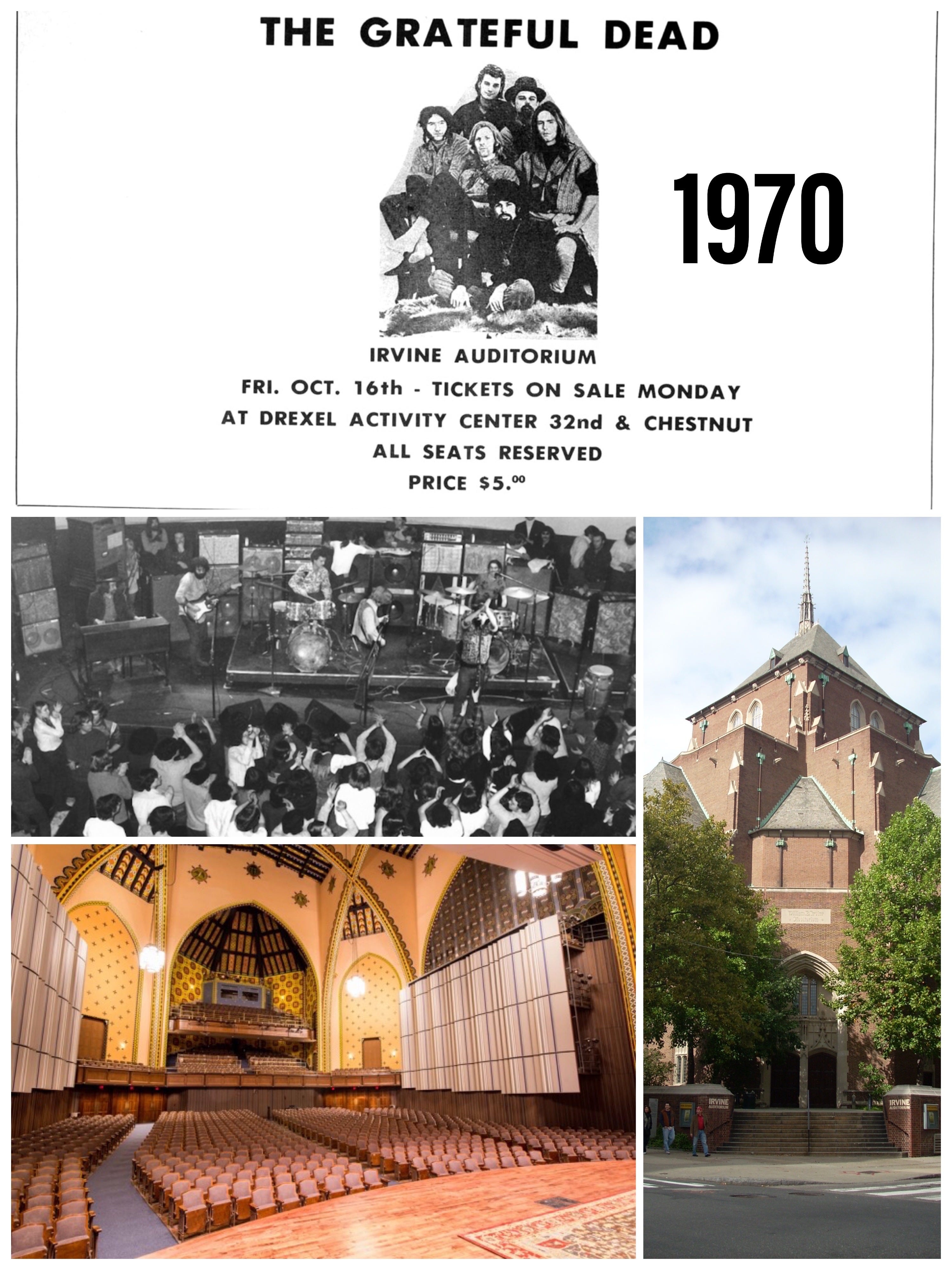
Philadelphia. Irvine Auditorium. October 16, 1970. Bob Weir’s 23rd birthday. The Drexel Homecoming with the Grateful Dead.
Not sitting. Nobody sits. On my feet the whole night, swaying, moving, the crowd one animal breathing together. Somehow I end up at the front, ten feet from the stage, my head about level with their shins — Jerry to my left, Phil in the middle, Bob to my right. Close enough to see the sweat. Close enough that this is not a concert anymore. It’s a cathedral, and I am an altar boy kneeling in worship of a universe unfolding vastly beyond these mere mortal players.
Dark Star opens up. Not a song so much as a door. Jerry’s guitar wandering off the map, Phil’s bass moving underneath like something alive, and I am peaking, fully peaking, the kind of peak where the walls of Irvine’s old stone hall stop being walls.
No coat of arms in this room. No ring. No Latin. Just spontaneous notes organizing themselves into something that feels, for the first time in my life, like the actual gospel truth.
I lost my virginity that same night, to a friend’s girlfriend, in the reckless logic of being eighteen and freshly cracked open. It belongs in the ledger — that night undid more than one inheritance at once. My father had dreamed of me becoming a priest. A cardinal. The first American pope.
Here is what the first two mottos were built to protect: privilege, sanctity, nobility, duty, entitlement, ritual, honor, courage, sacrifice, fame, wealth, power, control.
Here is what found me instead, standing at the edge of that stage: equality, fraternity, joy, simplicity, sharing, loving, creating, accepting, embracing, nourishing.
I didn’t choose between those two lists that night. I just noticed that the second one was already true, and the first one had never quite fit — not the way the ring didn’t quite fit, not the way West Point was never going to fit, not the way a château in the Yonne I’d visited once as a schoolboy abroad was never going to be anything but a beautiful stone building full of somebody else’s ghosts.
Nine hundred years, the chain held. Crusade to château, château to Wall Street, Wall Street to a boy promised a signet ring he’d never teceive, reading the New York Times aloud in the car so his father wouldn’t have to. Then it reached me, and it didn’t break so much as it simply stopped pulling. I put my thumb out, having dropped my Halloween sword when I was seven.
We believe what we need to survive. My grandfather needed the stones. My father needed the wanting. I needed the road, and the music, and eventually a woman named Thea, who taught me that the only nobility worth keeping is the kind you build with your own hands and lose anyway. And then a woman named Veronica, who married me and stood by me through all of it — the successes, the adventures, and finally the wheels coming off. Nine seizures. Nearly a hundred pounds gone. Both of us ending up on the side of the road. A dirt road. Ten acres in Vermont.
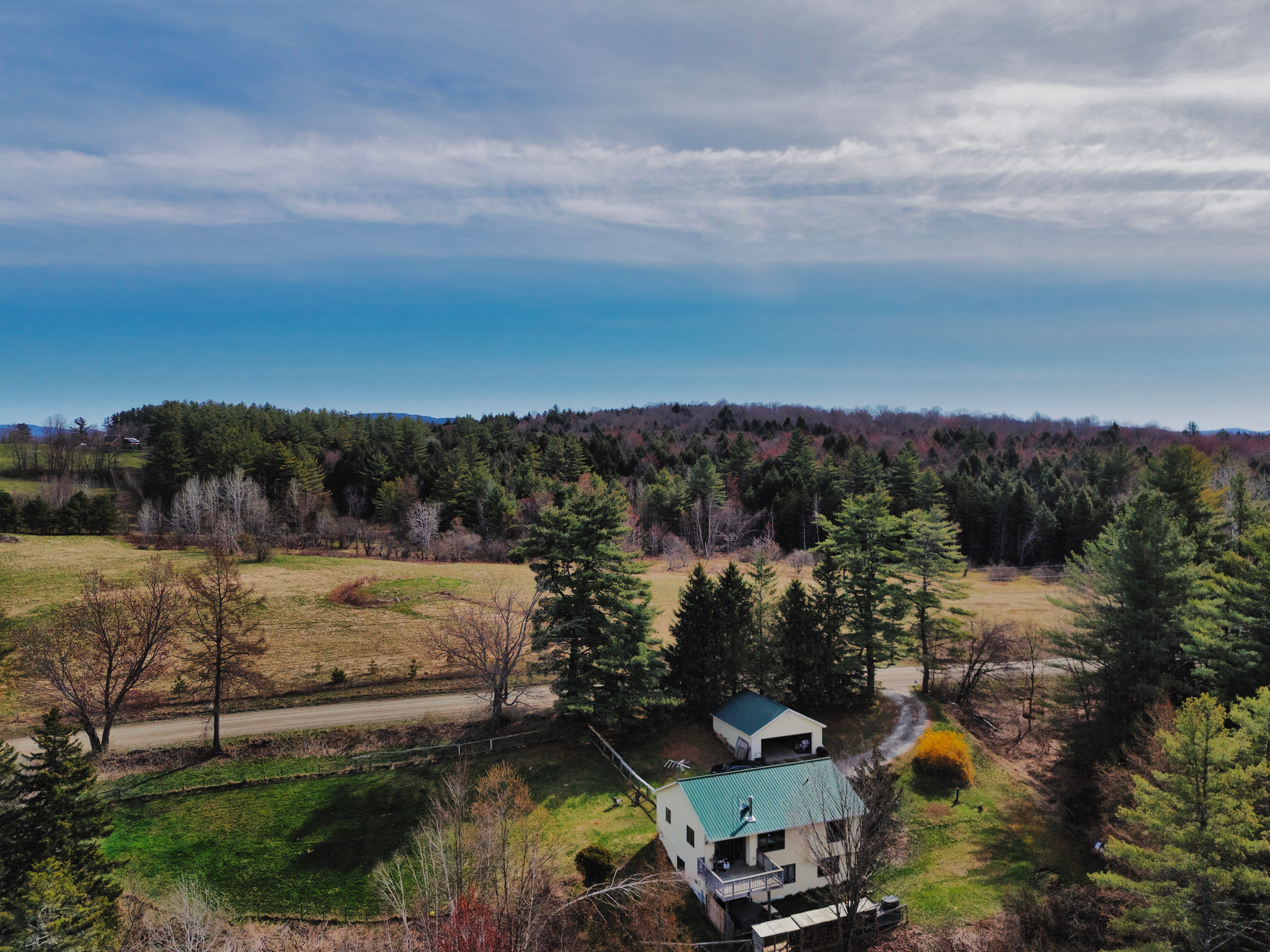
For a while I thought I’d landed in a ditch. Nine hundred years of holding, and this is where the chain finally dumped me — off the road, no title, no fortune, a body that had started firing on its own. Then I looked up. No other house in sight. Just the green mountains spread out in front of me, glorious, and the whole quiet weight of the place settling in.
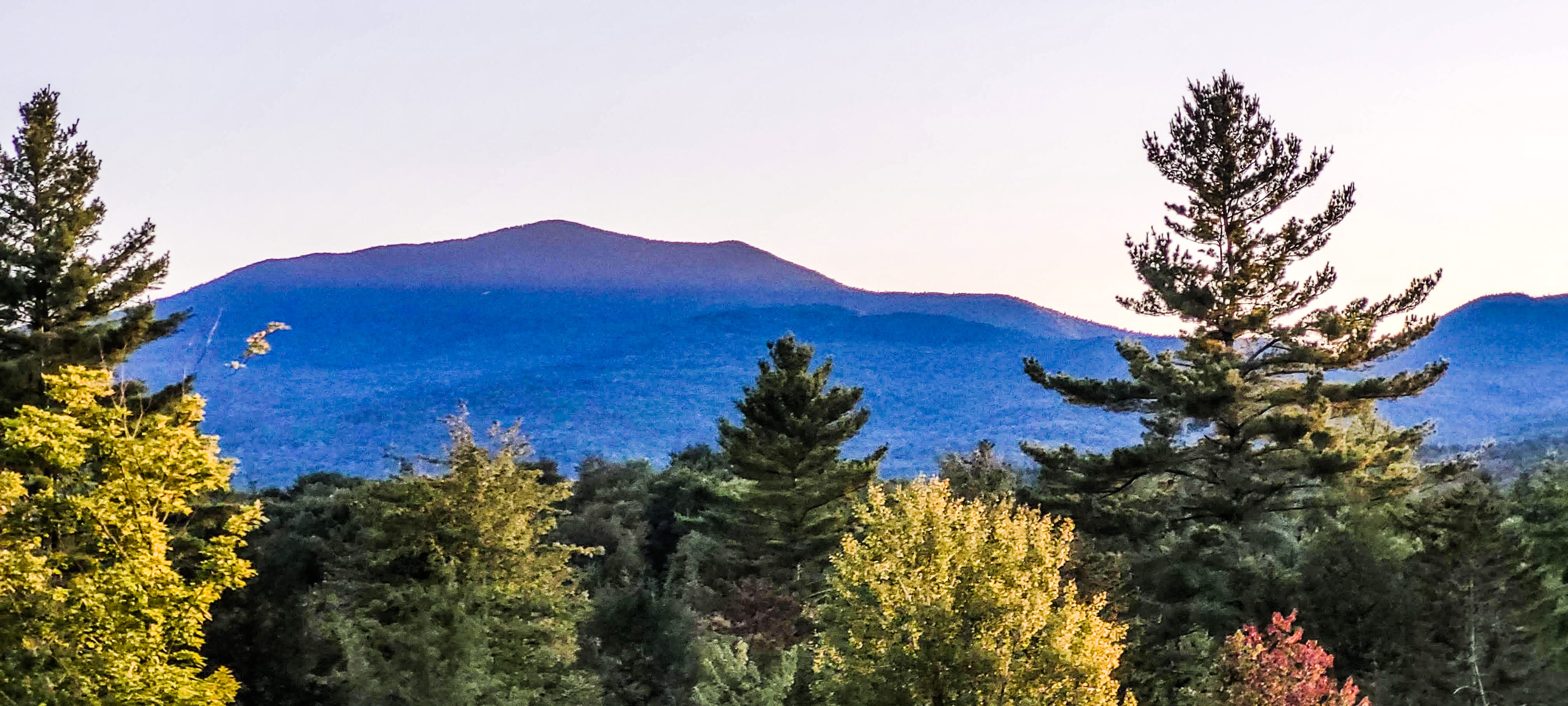
My father built his little empire at the end of a dirt road with no neighbors, and called it a kingdom. I fell all the way down to the same geography and found I was standing in one too — except there’s nothing out here to defend. No cross. No sword. Just the view, and Veronica, and the enormous work of learning, this late, how to stand still.
“Thumb Out” Book One of my memoir trilogy “The Spaces Between” is available now
e-book ~ kindle ~ paperback ~ hardcover ~ signed paperback