

Alexander Joseph Furlong died the day after Christmas 1943 in Cambridge, Massachusetts. Pneumonia. Penicillin wasn’t widely available yet. He was forty-four years old.
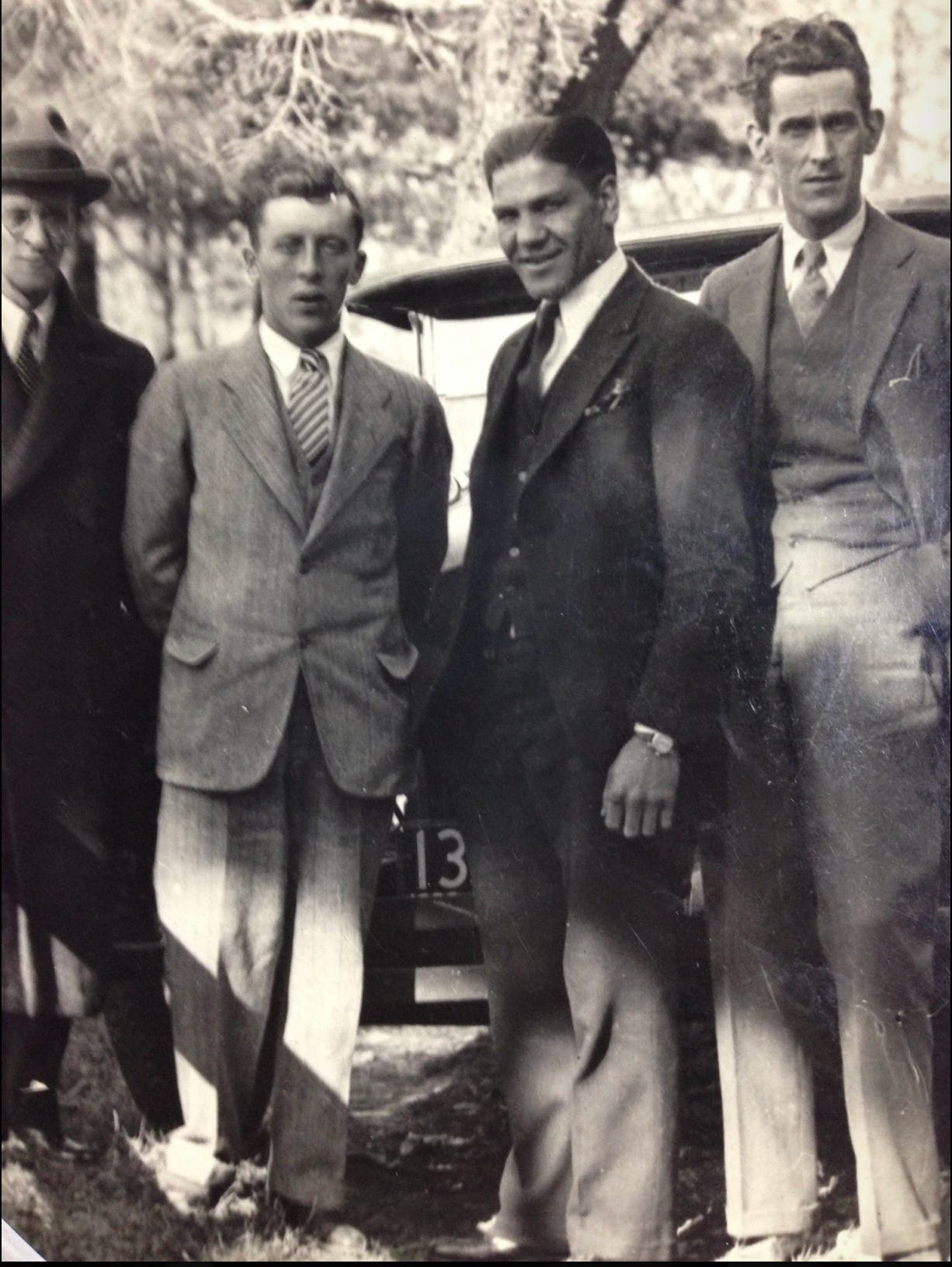
My mother was twelve. I was born nine years later, too late to meet the man whose blood runs through my veins.
Every December 26th, a reminder appears on my calendar. “Alexander Joseph Furlong died (1943).” I set it to repeat yearly, though I’m not sure why. Maybe because no one else remembers. Maybe because recognizing the debt matters. That thick Irish hair my father resented is only a small part of what I inherited from AJ. His grit. His style. His tenacity. His Celtic soul. My mother’s father, still running through my veins.
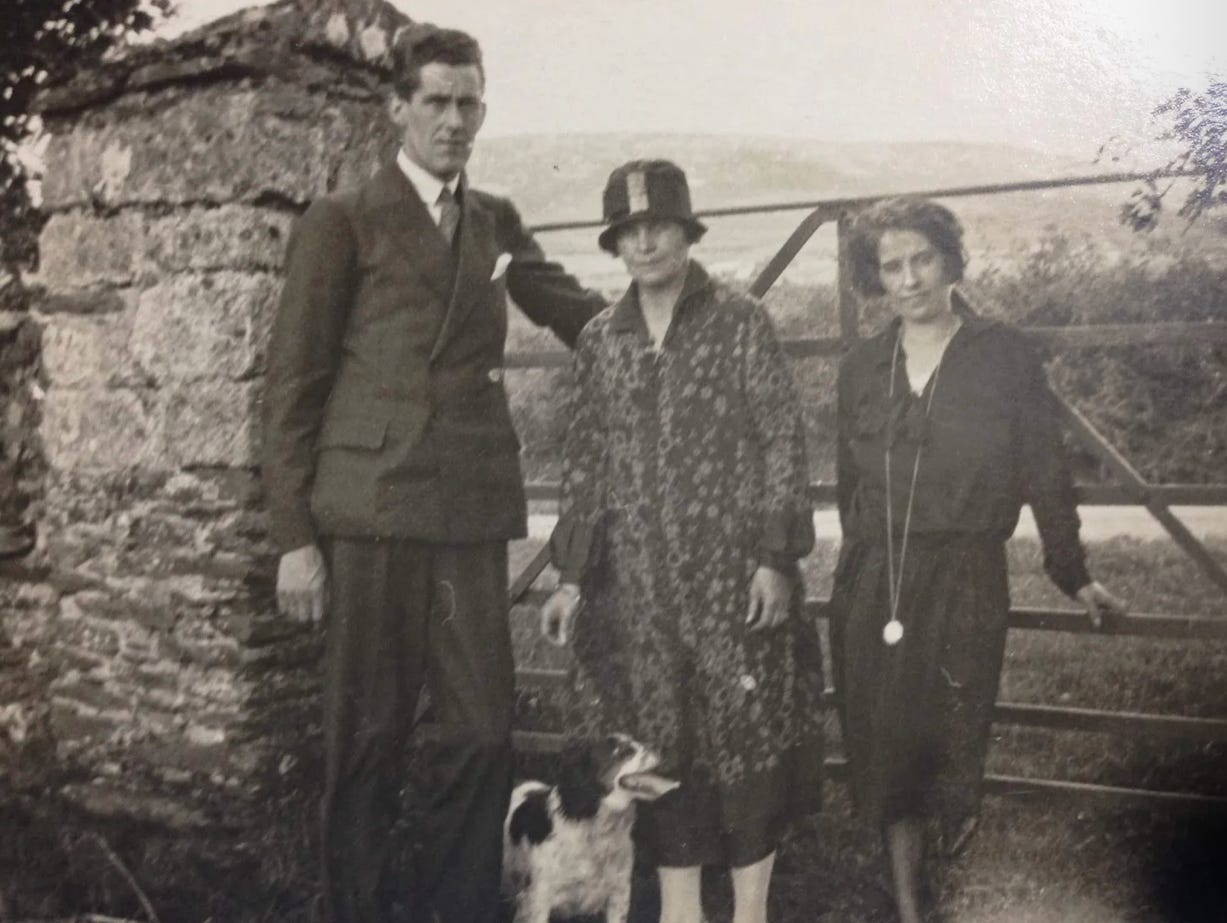
In a photograph from Dublin three people stand by a stone wall with an Irish spaniel at their feet. AJ on the left in a double-breasted suit, looking every bit the dapper dresser he always was. His wife Ellen—my beloved Nana—on the right. Her sister Celia in the middle. The dog gazes up at them, oblivious to what’s coming.
I noticed something this morning: that double-breasted suit.
In August 1967, my paternal grandfather André died at Lake Chocorua in New Hampshire. Cerebral hemorrhage at sixty, collapsing in front of his wife while wading at the beach with my cousin Philippe, Niki’s son. He’d been one of Dr. Max Jacobson’s clients, getting those “vitamin shots” that were really amphetamines—the same injections “Dr. Feelgood” gave to JFK and half of New York’s elite. I’ve always suspected a connection between those shots and the hemorrhage that killed him. No one in the family talks about it.
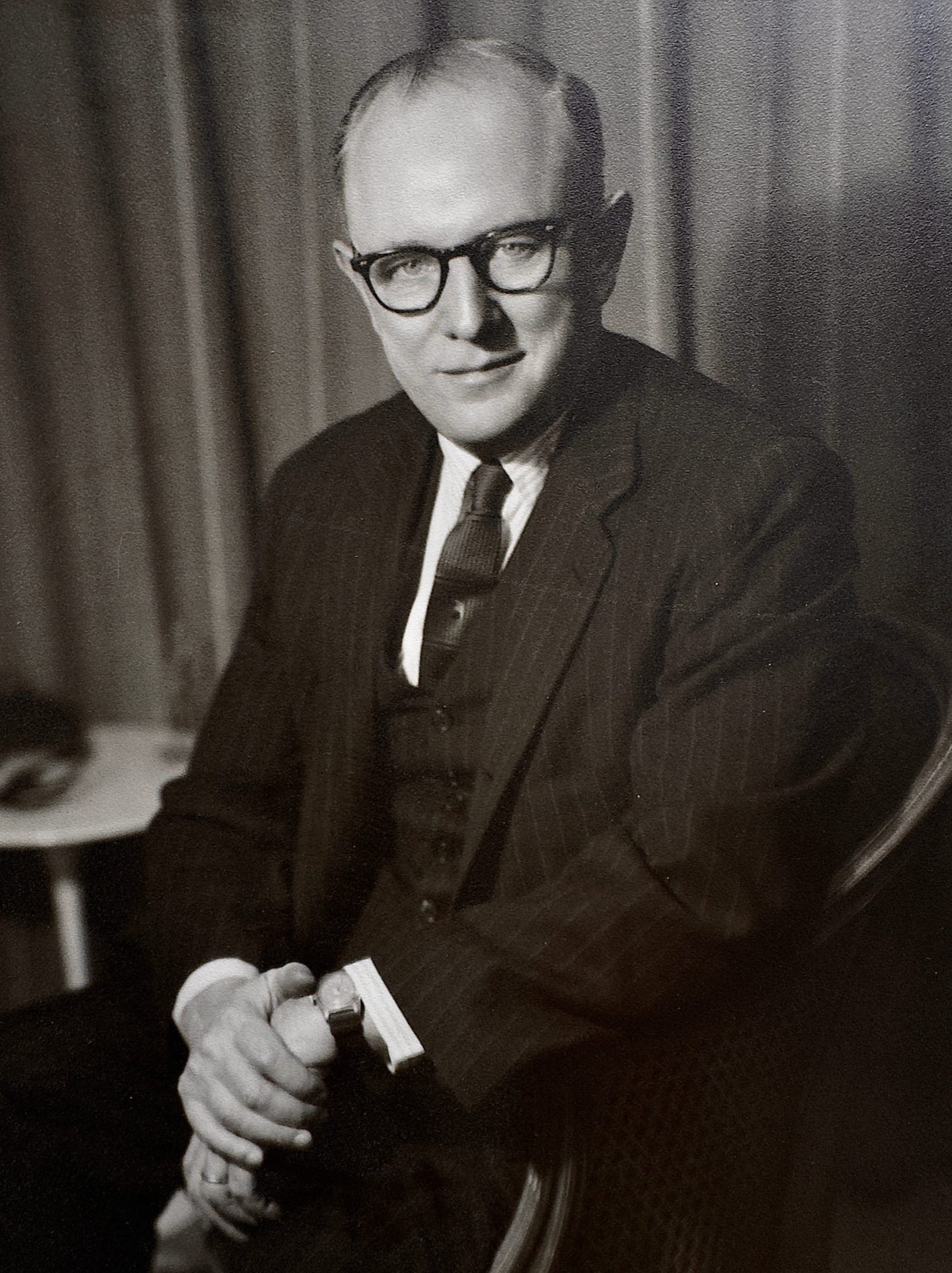
Forty years later, I was shooting a wedding with my wife in New Hampshire. We took the bride and groom for portrait sessions at a nearby lake. Only afterward did I realize where we’d been—Lake Chocorua. The exact spot where my grandfather had died. I hadn’t known, hadn’t planned it. Just ended up there with a camera in my hands, trying to make something beautiful where something broke.
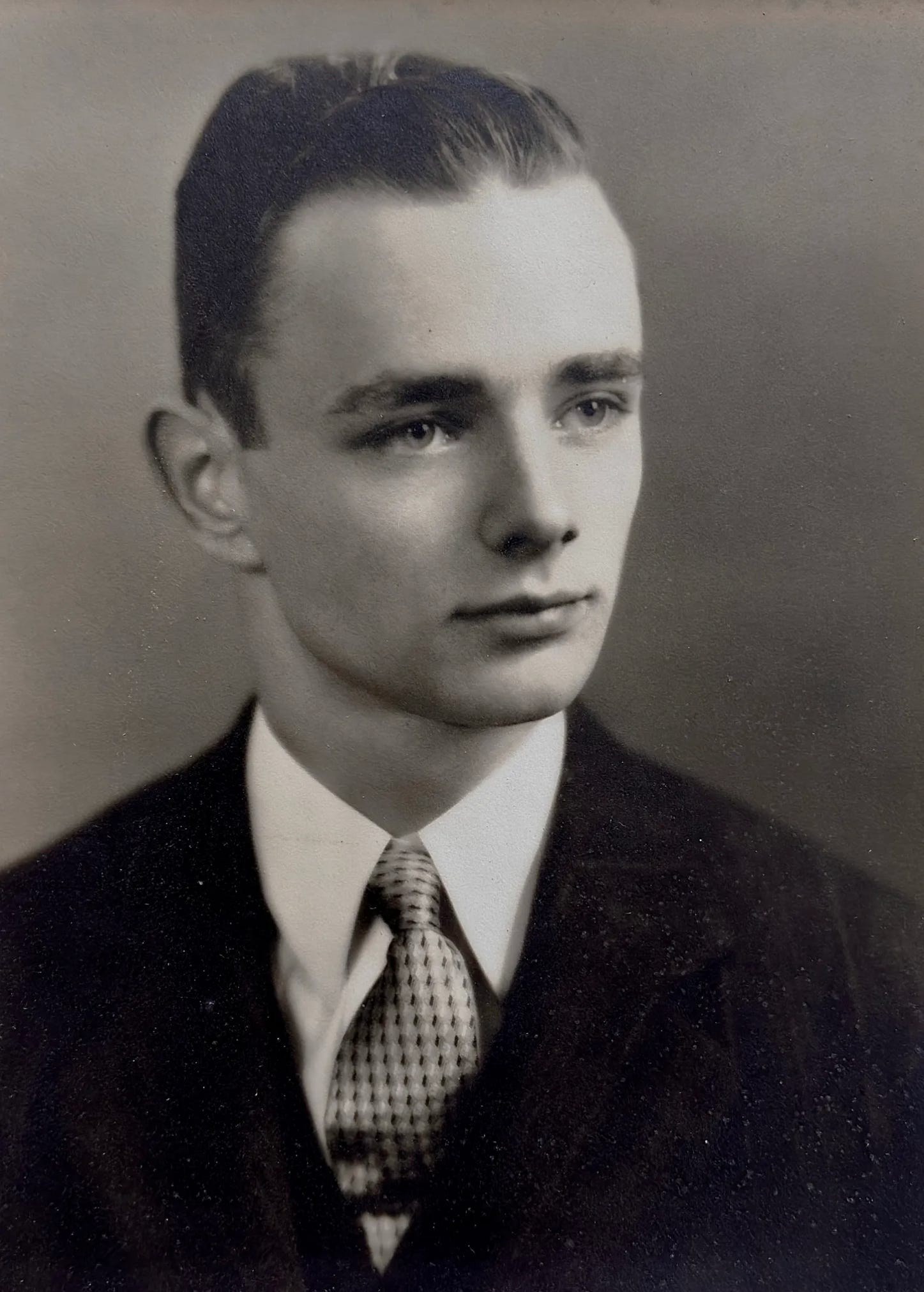
That fall of 1967, weeks after André’s death, my father shipped me off to School Boys Abroad in Rennes, France. Not to live with family—with a foster family, as the program required. For the ocean liner voyage from New York to Le Havre, they dressed me in grand-père André’s double-breasted suit, tailored to fit.
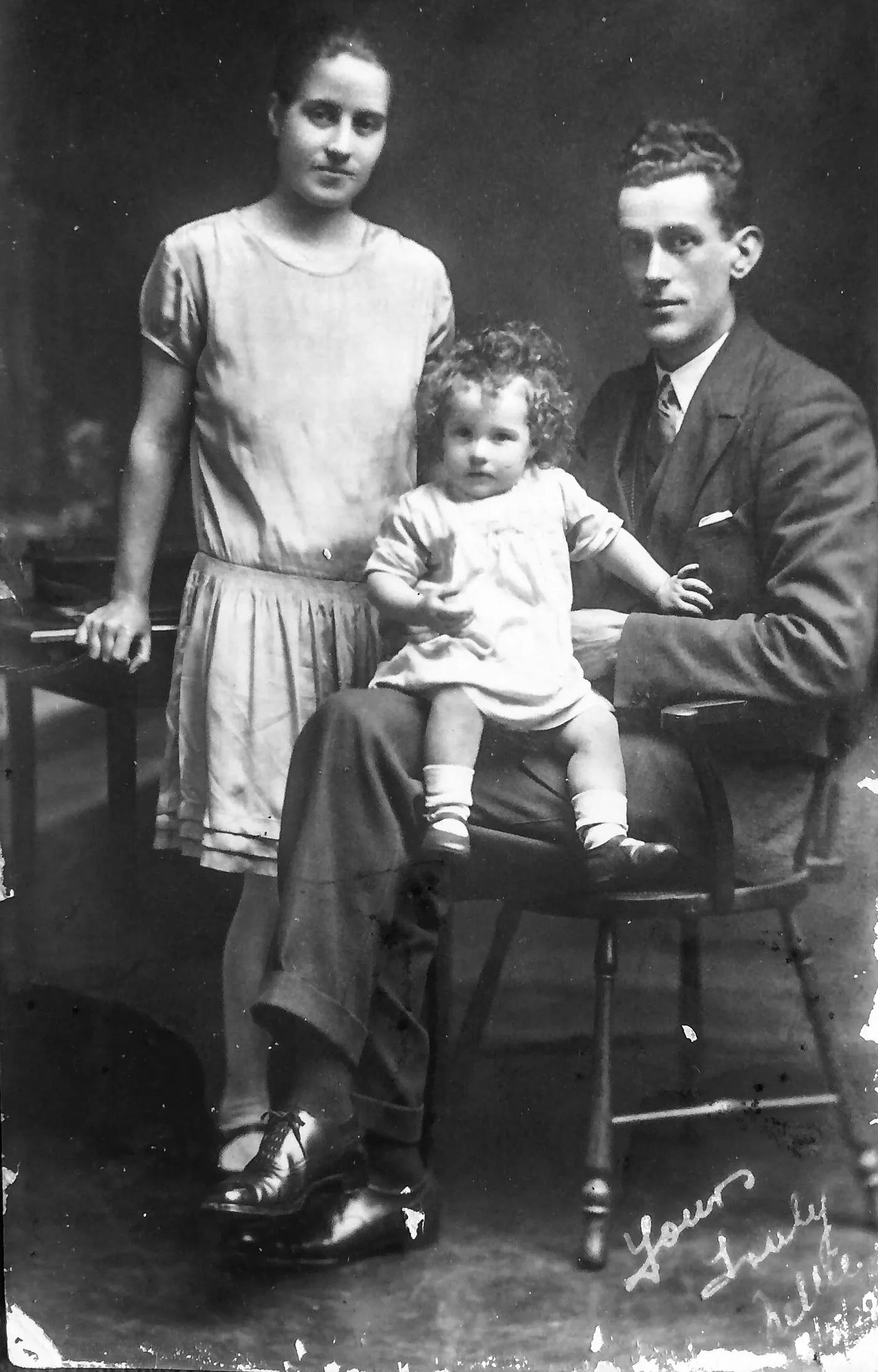
It looked almost exactly like the suit AJ wears in the Dublin photographs. Only mine was from NYC’s finest tailor while his was most likely off the rack.
The Irish janitor and the French banker, dressed the same way an ocean apart, both dead now. Neither knowing their grandson would someday sail across that same ocean wearing one grandfather’s suit, carrying the other grandfather’s hair, trying to make sense of the inheritance.
The Dublin photographs were taken before AJ left for Boston alone. Think of that courage—sailing to a new world with no connections, no safety net, just grit and the belief he could build something. And then Ellen, crossing that same ocean in steerage with their daughter Betty, just the two of them. A young mother and a small child, weeks at sea, heading toward a life they couldn’t yet see.
He found work as a janitor in an Irish men’s club in Cambridge. My mother was born in 1931. Betty died giving birth to my cousin Jimmy. Then pneumonia took AJ, leaving Ellen with three children and no cushion.
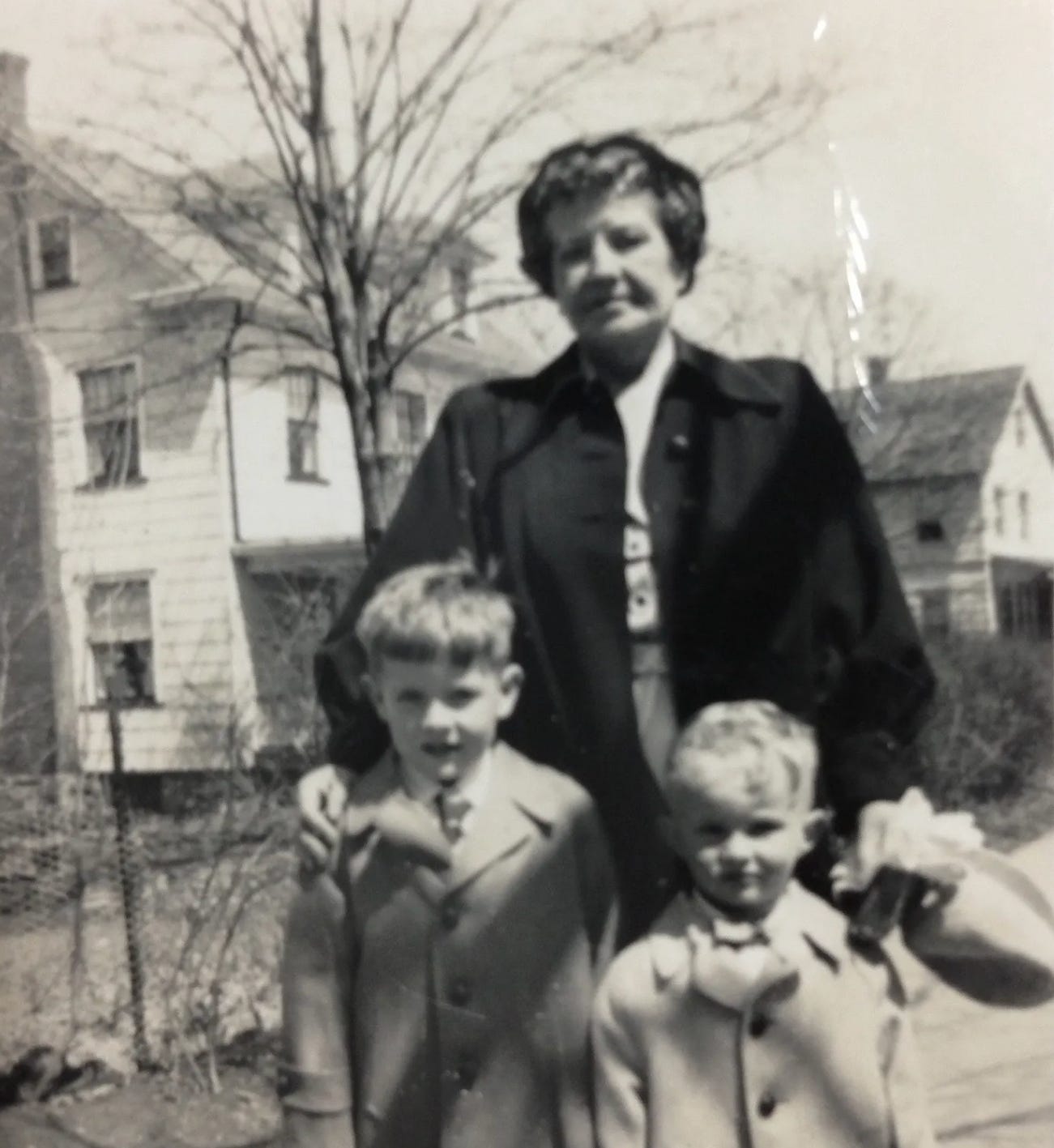
The losses came fast for the Furlongs. AJ dead. Betty gone after bringing Jimmy into the world. Her brother Joe dying slowly from the bottle. Ellen left to raise her remaining children plus a grandson, working full-time, ground down by decades of doing without. By the time she came to live with us at Ledge Acres in the mid-60s, she’d buried a husband and a daughter, watched her son destroy himself, raised children and a grandchild alone. No wonder Jimmy’s memories of living with her are harsh—she had nothing left to give by then. Just survival mode, day after day.
June 1968. Dublin. I was fifteen, visiting Nana’s family. Celia was there—the same woman standing in the photograph forty years earlier. Thirty people gathered, and they laid out a spread equal to any American Thanksgiving. My cousin Jimmy was there, the widely respected James Plunkett, author of “Strumpet City”. I was told he played the fiddle quite well. I longed to talk to him more, but you know how large gatherings are—over before you know it.
The warmth, the welcome—they made sure I knew where I came from, that I understood the bedrock beneath all the fancy French banking lineage. That lineage gave me nothing but trauma, rejection, and heartbreak. But this side? This was home.
That bedrock was simple: AJ crossed an ocean to make a life. He worked as a janitor and sent for his family once he could. He wore his suits with dignity, kept his standards high, provided what he could. The kind of inheritance that doesn’t come with documentation or family crests, but runs deeper than noble blood—the simple, profound gift of showing up every day, no matter what.
I think about my mother losing her father at twelve. How that loss shaped everything about her—the way she held us so fiercely, the way she created rituals and routines. The countless trips to Jones Beach on Long Island. The drives to Carvel where she always ordered her favorite hot fudge sundae with bananas. The long afternoons at our swimming pool at Ledge Acres where we’d play for hours. My mom was loving and fun and she placed us above all else. We were her treasure. We felt it, and I still feel it today, nearly thirty years after her death.
And I’m thinking about my father trying to comb my hair before church. Even at eight, I could sense something in that moment. A couple years earlier, I’d shattered my elbow in a compound fracture—three weeks in the hospital. As soon as I healed, he was making me pitch. His idea, not mine. He’d come home from work every day and make me throw for an hour. I could hear the cartilage grinding.
When I finally got into Little League, I struck out three batters at the end of that first season. The next year, new league, my coach started me in the first game. I walked eleven batters and never pitched again.
The elbow. The hair. The expectations. It was always about his dreams, never mine. I could feel it even then, standing still while he fought with that impossible Irish hair, sensing that whatever I was would never be enough.
Years later, after the divorce, when my mother was dying of lung cancer in 1995, I suggested we should tell my father.
Her response still stops me cold: “Absolutely not!” Shocked, I asked her why not? “Because he would take pleasure in the news.”
That’s when I understood how deep the contempt ran. Not just the marriage failing. Something about marrying a Furlong at all—about the curly hair and the Cambridge accent and the fact that her father was a janitor while his was a banker with proximity to presidents?
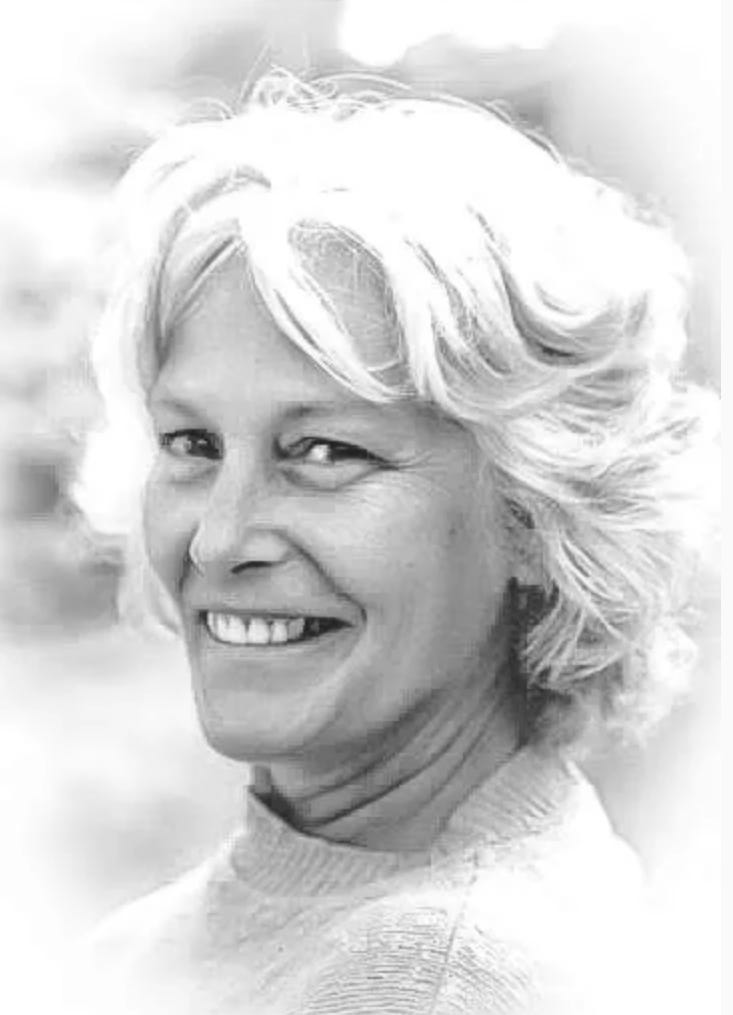
After the divorce, she started signing her photographs “AJ Furlong.” Not Joannie. Not de Saint Phalle. AJ—her father’s name, perhaps reclaiming the inheritance she’d been made to feel ashamed of.
Eight years after her father’s death, she had married mine.
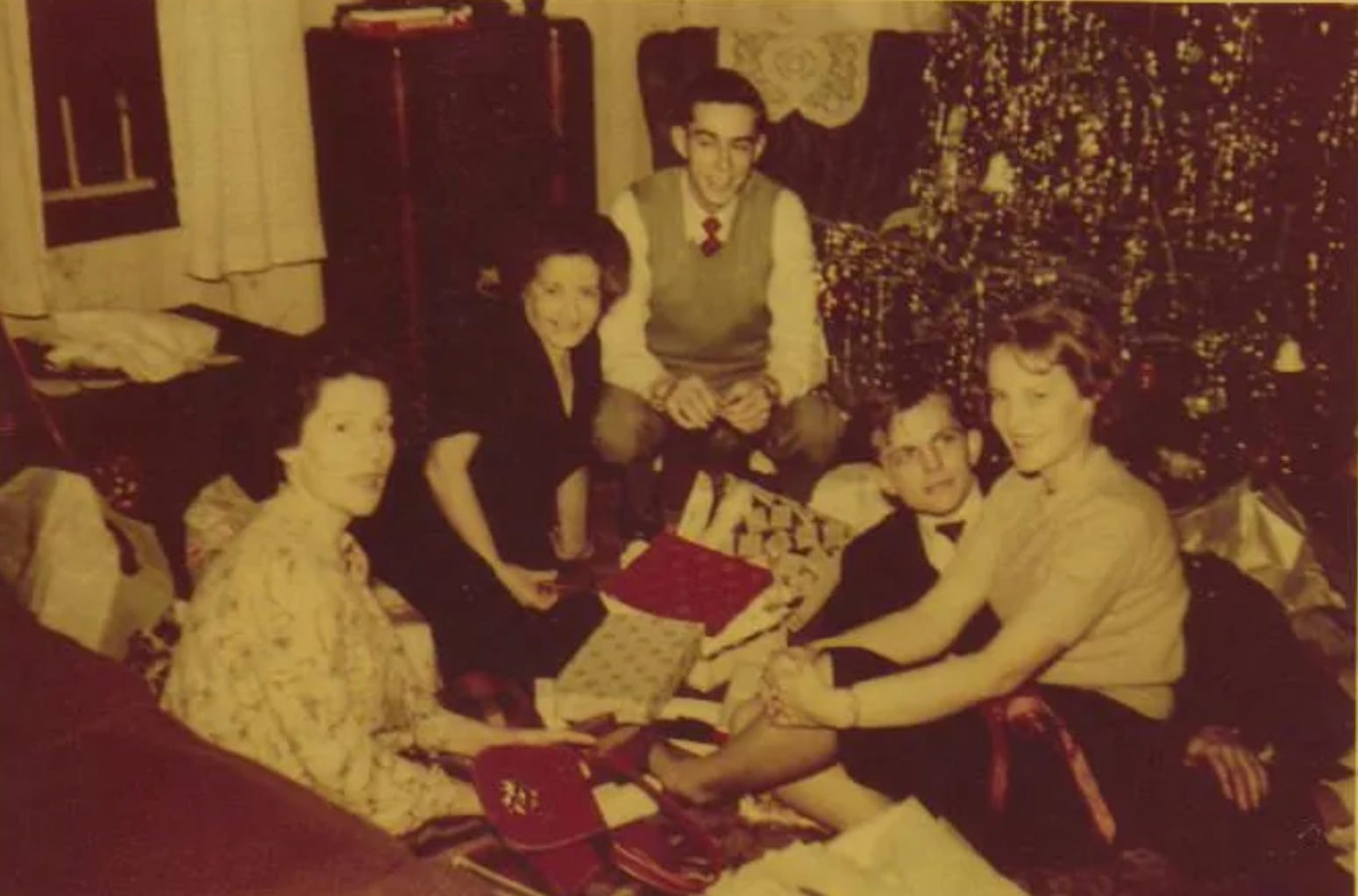
I’ve wondered what she saw in him—a young woman who’d grown up without a father, raised by a mother ground down by work and loss, watching every penny. Did she see security? A way out of the poverty that had shadowed her whole life? Maybe she saw a man from a world where people didn’t worry about money, and she thought that world might finally let her breathe.
My father inherited no château. Just the fantasy of nobility and the false pride attached to it.
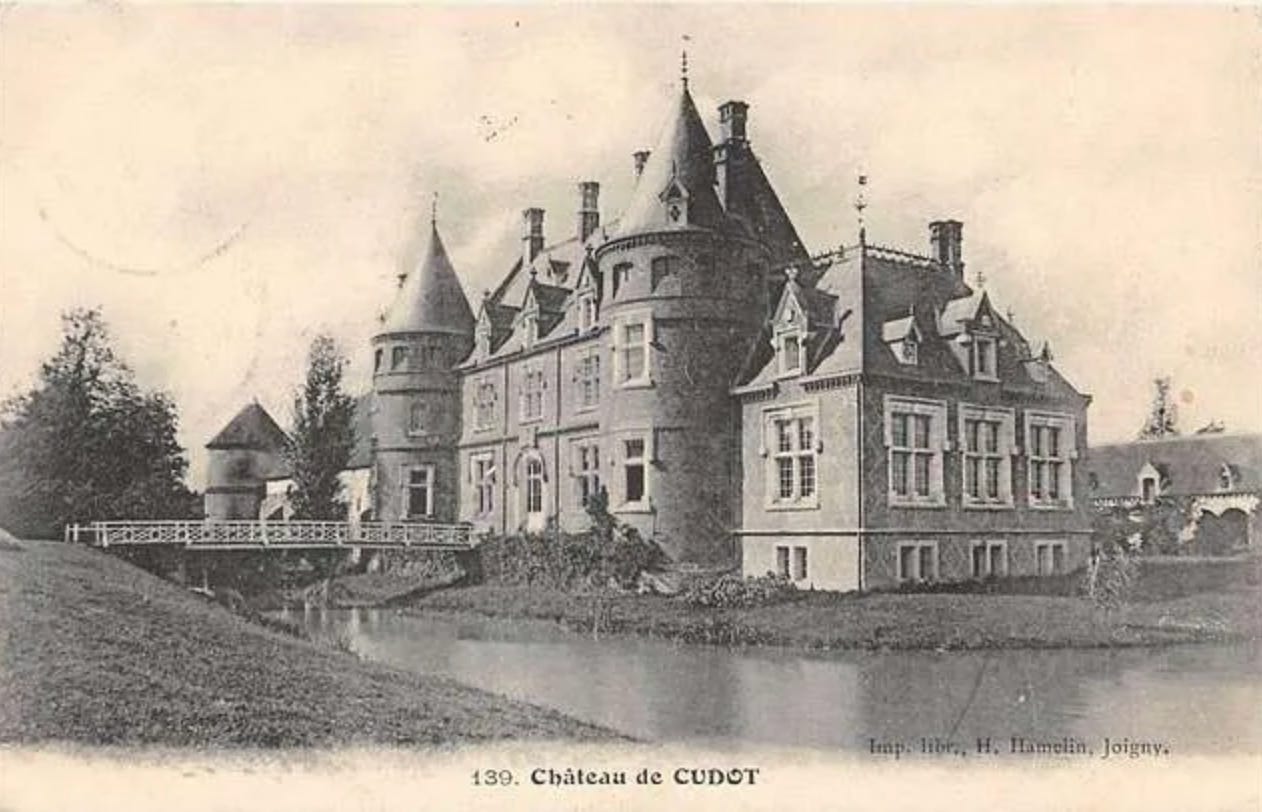
When his mother died in 1979, he got a couple million dollars. My mother received nothing. We six children received nothing. He spent it on racehorses, a beachfront condo in West Palm Beach, travel with his second wife. My uncle Sam aptly described her as a “slipper-bearer”. I saw her as a bridge-playing “spinster in training” with no money and no appeal.
But before he could marry her, my father, already divorced, had to deal with a personal problem caused by his Catholic faith: his twenty-two-year marriage to my mother. Seven pregnancies. Six children. All of it. I don’t know what an annulment costs, but I’m sure a few bucks paved the way. He got one. His stated reason? He didn’t know what he was doing when he married her. Twenty-two years. Seven pregnancies. Six children. And he didn’t know what he was doing? Then this same devout Catholic eloped to St. Croix with a woman outside the faith, a sin at the time, in the eyes of the Church. The sheer hypocrisy!
My last conversation with him was during Covid. His second wife had put him in a nursing home for a week to get some respite. I called from Vermont. He was apparently somewhat demented at 94, but recognized my voice. “Andre, my boy!”Toward the end of the conversation I asked about her. “She is my life,” he said. The reverence in his voice was unmistakable. No mention of my mother. No mention of six children. After the call ended, I felt like I didn’t count. Like none of our family years had ever happened. Like I’d been erased—just like the annulment intended.
I’m writing about AJ and it’s making me emotional, aching for a grandfather who died nine years before I was born. That thick Irish hair he gave me—the hair my father hated—keeps growing. His grit runs through me whether anyone likes it or not. Some inheritances you can’t annul.
When you peel back commercial Christmas and remember what it was really about—Jesus hanging out with the poor and the blind, telling everyone they could connect with God, no pedigree required—then Christmas looks different. Jesus threw the merchants out of the temple. Now the temple is a casino. Everyone’s chasing money, status, the next thing. More followers, more likes, more zeros in the account. People step over the poor to get to the sale.
AJ Furlong understood something we’ve forgotten. You show up. You work. You send for your family. You wear your suit with dignity even if you’re mopping floors. You measure your wealth in the people waiting for you at home. That’s the gospel no one preaches anymore.
A janitor in a double-breasted suit who crossed an ocean with nothing, built a life from nothing, and was taken before he could see what he’d made possible. She never got over it. I’m not sure I have either, and I never even met him.
That’s the grandfather I never knew. The one I miss most.
The other grandfather—the banker, the one with the château fantasy and the proximity to presidents—I barely knew when I was a boy. Only many years later did I became aware of his legacy. He and his wife left their daughter with nannies in Paris when she was only one or two while they established themselves in New York. A toddler abandoned an ocean away. When she was 11, she claimed in her autobiography that he started sexually abusing her. As a struggling young mother she was institutionalized and given electroshock treatments, turning to art for healing and self-expression. She eventually became the world-famous artist—Niki de Saint Phalle—who told her truth to the world. And the family never forgave her for it.
His two youngest children both committed suicide. And my father John? His mother told me once, when she was trying to explain him, that he had put his heart in the deep freeze when he was a boy. That’s what the Wall Street banker left behind. Broken children. Frozen hearts. Silence where love should have been.
I set a reminder on my calendar for him too because I have fond memories of him from boyhood. He bought me a fancy toy castle and played “knock over the soldiers with a marble” on the floor with me. He was a practical joker who made me laugh. He took me deep sea fishing on his boat, the “Agapé”. He took me to JFK’s funeral and we circled his flag draped casket in the Capitol rotunda and stood on Pennsylvania Avenue and watched as his caisson and riderless horse marched by.
I was given his suit, tailored to fit a boy being shipped off to France. Later I threw it away.
AJ left me everything else.