


I came to you the way everybody comes to you. The picking. That’s what gets you first. The right hand alone is enough to make you forget where you are and what year it is, and for the first couple of years that’s all I needed. I’d watch the videos and just shake my head. Generational is a word people throw around until they don’t have to throw it anymore because it’s just sitting there, obvious, undeniable, and that’s where you are. You play the guitar the way certain people breathe. Like it was always happening and you just showed up to give it a name.

Then the songwriting started catching up to the playing. That took longer, and it should have. The instrument was your birthright. The writing you had to earn. And you earned it. Highway Prayers was the proof. But So Much for Goodbyes is something else entirely. This album stands with Workingman’s Dead. It stands with American Beauty. It stands with the White Album. Not because it sounds like any of them but because it does what those records did — it cracks a life open at the exact moment the pressure becomes unbearable and turns the fracture into art. That’s what makes an album epochal. Not the technique. The cost.
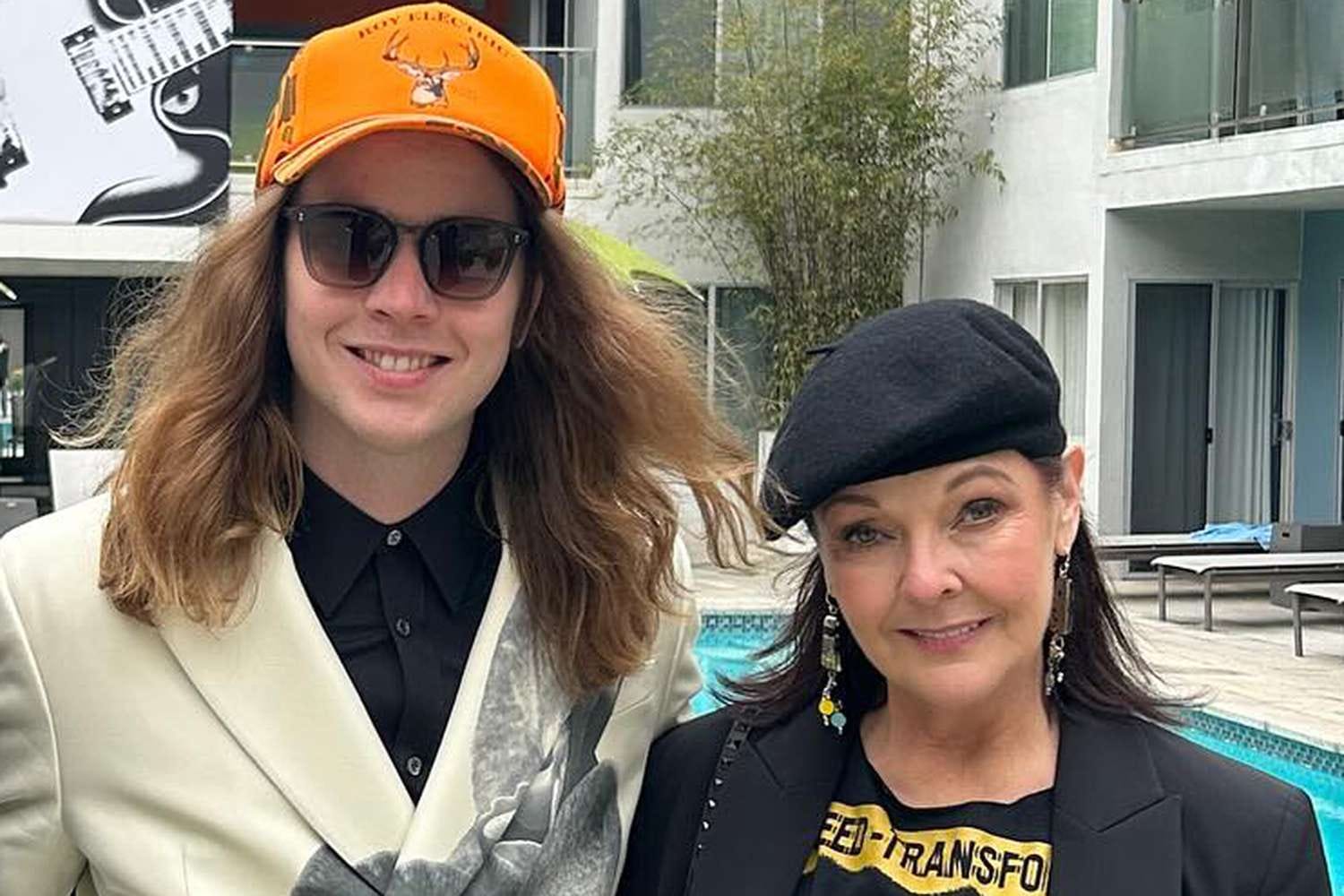
Your mother died of an overdose. Your birth father died of the same thing, thirty years before her. You got sober in 2016, right before all of this took off, and I don’t think that timing is a coincidence. I think you needed to be clean to become what you’ve become. And I think you know that. But I also think the road you’re on right now is the most dangerous road there is for someone carrying what you carry.
I need to tell you how I know.
In 1976 I was twenty-four years old, working the movie room at Gasser’s Camera on Geary Boulevard in San Francisco. On a quiet weekday morning, Jerry Garcia walked in. Alone. Black t-shirt, jeans, that twinkle. He wanted a Super 8 projector and we talked cameras and film for a while, and he had real enthusiasm about making movies — not rock-star enthusiasm, film-nerd enthusiasm. He bought an Elmo sound projector, paid with a wad of fifties, overpaid by fifty bucks, and laughed when I handed it back. Money meant nothing to him. A few weeks later his people called and I was standing at the front of the stage at the Warfield with a movie camera, shooting over the amps while the band opened with Promised Land.
That’s the Jerry I met. Open. Generous. Joyful. A man with no attachment to money and every attachment to the thing inside him that made the music.
I watched what happened to that man over the next twenty years. Not in a documentary. In real time, tour by tour. I watched the ending come long before it arrived.
You already know this story. You know it better than I do, probably, because you’ve lived inside his music the way I have but you’ve also built something in his image — not a copy, not a tribute, but the same architecture. The traveling audience that follows you from show to show. The setlists that never repeat. The improvisational conversations between musicians that make every night different and every night irreplaceable. The taping culture. The community. You even brought bluegrass back to the center of it, which is where Jerry started before the Dead became the Dead. Bluegrass was his first love. Old & In the Way, the banjo before the guitar. You’ve taken that thread and run it through everything you do — the jamming, the exploratory jazz textures Alex Hargreaves has brought into this new album, the way the acoustic instruments breathe inside the improvisation instead of fighting it. Jerry would have recognized all of it. Jerry would have loved it.
Jerry also built a machine that devoured him. His words, not mine.
By the late eighties the Grateful Dead was no longer a band. It was an economy. A traveling city of Deadheads whose lives were organized entirely around the tour. A merchandising operation. A record label. A whole ecosystem of livelihoods that depended on one thing: Jerry Garcia continuing to walk onstage. And Jerry knew it. He could feel the weight of it. But he couldn’t stop, because stopping meant putting all of those people out of work, breaking the thing that had become bigger than he was.
So he kept going. He ate badly and slept badly and the drugs came back and the weight piled on and by 1992 he looked twenty years older than he was. People around him could see it. Most said nothing, because they needed the machine running too. And on August 9, 1995, Jerry Garcia died alone in a rehab facility at fifty-three. The machine stopped because the man inside it broke.
The man who laughed about accidentally overpaying fifty dollars, then took it back with a shrug, who wanted to talk about Super 8 film on a Tuesday morning because making things delighted him — that man got consumed by the thing he made. That’s what I can’t stop seeing when I watch you.
Billy, you’re touring most of the year, every year. You’re selling out arenas. You’ve got a band that depends on you, a crew that depends on you, a traveling community that has organized its life around your schedule. The itinerary is booked out longer than most people plan anything in their lives. The buses are always idling. More shows. Bigger venues. More people depending on the machine.
And now you’ve made the most emotionally exposed album of your life, out of the worst grief of your life, carrying the genetic inheritance of the thing that killed both of your parents. You wrote these songs sober. You recorded them sober. You will play them sober, night after night, in front of thousands of people, reaching into that wound and opening it for strangers. That is the work. That is the art. But it has a cost, and the cost is cumulative, and the machine doesn’t care about the cost.
There’s something going on inside your soul. I can hear it in every note of this record. That thing inside you is all you have. It’s where the music comes from. It’s where the playing comes from. It’s where the writing comes from. And it is not inexhaustible. It can be depleted. It can be consumed. Jerry proved that.
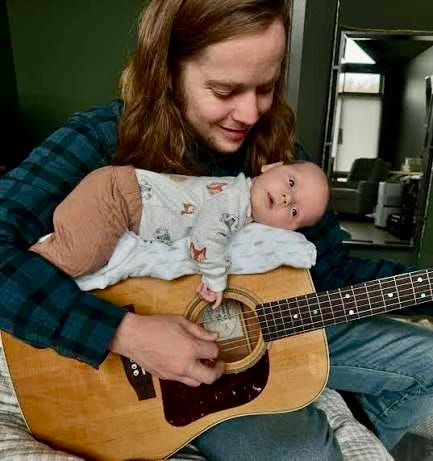
You have a son now. You have a wife who has been with you through the whole ride. They need you in the room. Not on the speakers. Not in the archive. In the room. Present.
Alive. For decades, not just years.
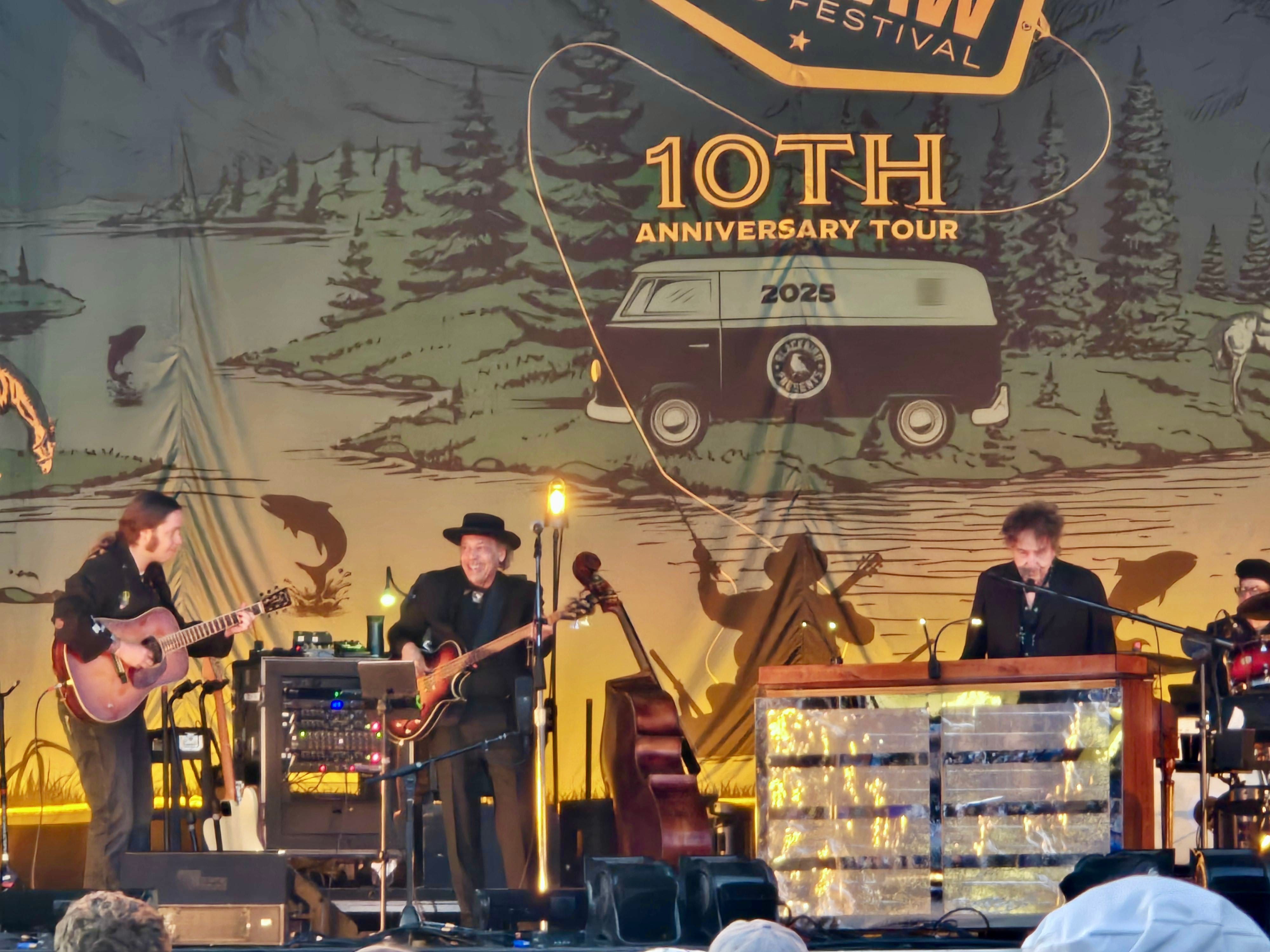
Bob Dylan told you recently that you’re going to be around for a long time. He meant the music. He meant that what you’ve made will last.
But the records will last whether you do or not. Jerry’s have. That’s the terrible math of it. The tours end, the reviews yellow, the machine finds another engine. The only thing that was ever actually yours — the only thing that was ever actually Jerry’s — is the soul the music came out of.
Yours is worth more than all of it. Every record. Every tour. Every word anyone will ever write about you, including these.
Guard it, Billy. And be around. In person. For a long time.
“Thumb Out” Book One of my memoir trilogy “The Spaces Between” is available now
e-book ~ kindle ~ paperback ~ hardcover ~ signed paperback